
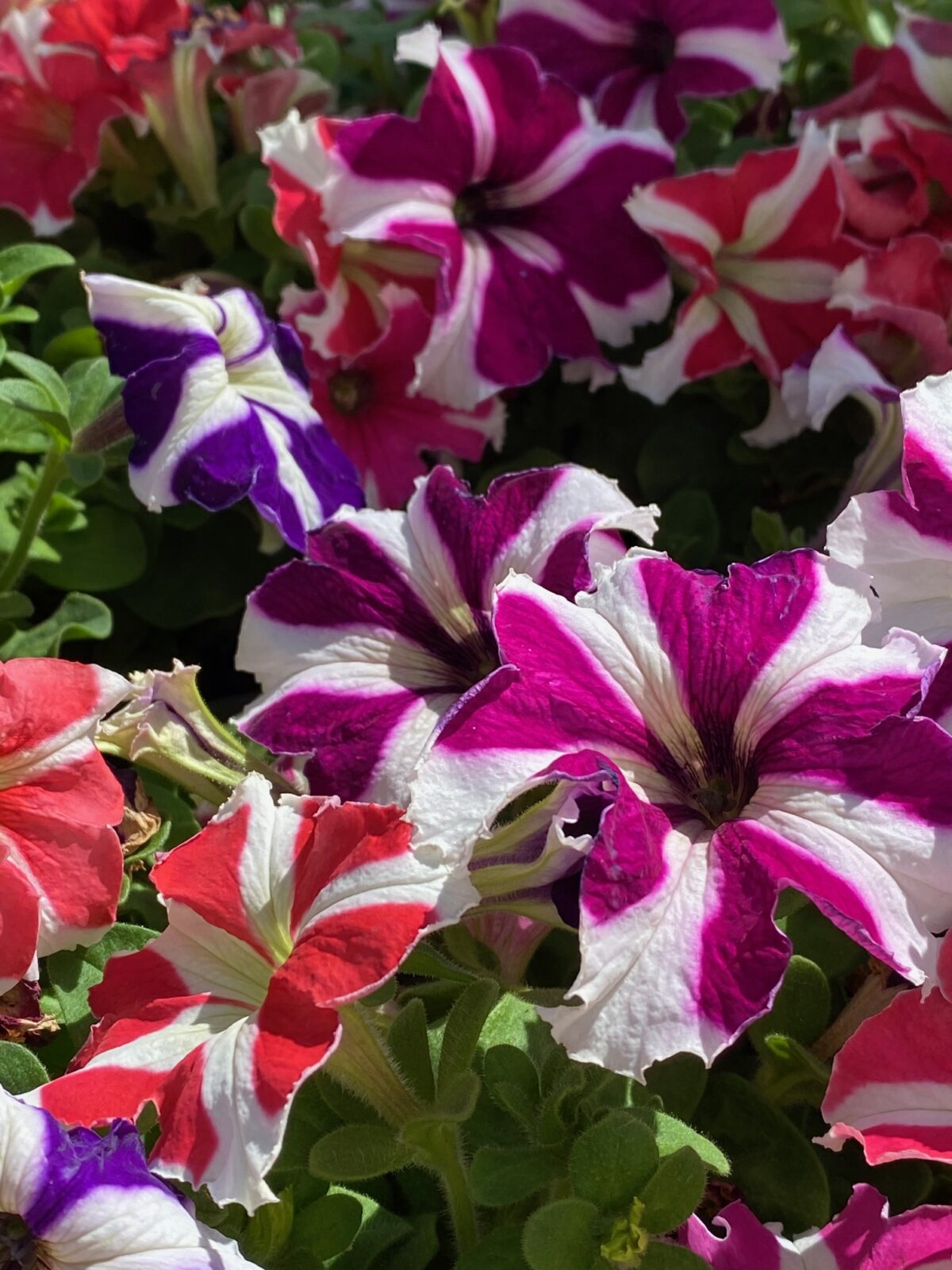
Spring is a season of renewal, growth, and celebration in many cultures. Around the world, various holidays mark the arrival of spring, symbolizing rebirth and hope. Easter is one of the most prominent spring holidays, celebrated by Christians globally.
Other cultures also observe significant spring-related festivals. These celebrations, often tied to the changing seasons, provide insight into the rich diversity of traditions and beliefs that mark this time of year.
Easter: A Christian Celebration
Easter is one of the most important holidays in Christianity, celebrating the resurrection of Jesus Christ. The holiday is observed in various ways depending on cultural traditions, but common elements include church services, festive meals, and the decoration of eggs, which symbolize new life.
In the United States and many Western countries, Easter is marked by egg hunts, where children search for hidden eggs, often filled with candy.
Eastern European countries like Poland and Ukraine, have Easter eggs painted in a tradition known as “pysanky.” In Greece, Easter celebrations include midnight church services followed by feasts that last through the night, featuring traditional foods like lamb and dyed red eggs.
Passover: A Jewish Festival of Freedom
In the Jewish tradition, “Passover” often coincides with the spring season. This holiday commemorates the Israelites’ liberation from slavery in ancient Egypt. The festival is marked by a Seder, a special meal where symbolic foods are eaten, such as matzah (unleavened bread) and bitter herbs.
The Seder includes storytelling, prayers, and songs, helping Jewish families remember the hardships of their ancestors and celebrate the arrival of spring with renewed hope.
Holi: India’s Festival of Colors
In India and Nepal, the arrival of spring is celebrated with **Holi**, also known as the Festival of Colors. This Hindu festival, rooted in ancient traditions, celebrates the triumph of good over evil and the arrival of the spring harvest.
Participants throw colored powders at each other, dance, and feast, symbolizing the vibrancy of the season. Holi is also a time for forgiveness, with people repairing relationships and embracing the renewal of spring.
Nowruz: The Persian New Year
For over 3,000 years, “Nowruz,” or the Persian New Year, has been celebrated across parts of the Middle East, Central Asia, and beyond. This ancient holiday, which marks the first day of spring is deeply rooted in Zoroastrian traditions.
Nowruz is celebrated with family gatherings, the cleaning of homes (known as spring cleaning.) The preparation of a traditional “Haft-Seen” table. This includes seven items representing health, prosperity, and fertility.
Songkran: Thailand’s Water Festival
In Thailand, “Songkran” is the Thai New Year’s festival, celebrated in mid-April. It marks the end of the dry season and the beginning of the rainy season. Songkran is most famously known for its water fights. People splash each other with water as a way to cleanse and refresh for the new year. Water also symbolizes the washing away of past misfortunes and a blessing for the future.
Spring celebrations around the world share common themes of renewal, hope, and rebirth, but each culture adds its unique flavor to these festivals. These holidays reflect the diverse ways in which people embrace the changing of the seasons.
They remind us of the universal human desire for growth, connection, and renewal as the world emerges from winter’s grasp.
Check out my website for more: KathyHusserTempe.com
