Categories
kathyhusser Librarian & Entrepreneurship Library Jobs Travel work

College Today

College has long been seen as the path to success in the United States. For many families, sending a child to college is part of the “American Dream.” Each year, millions of students graduate high school and take the next step toward a college degree. But is college still the most popular path after high school? Why do students choose college? And how much does a degree actually cost today?

Are Most High School Graduates Going to College?

Yes, most high school graduates in the U.S. still go to college—but not all of them. According to the National Center for Education Statistics (NCES), about 62% of high school graduates enrolled in college in 2022. This number has dropped slightly in recent years, especially after the COVID-19 pandemic, when many students chose to work, take gap years, or attend trade schools instead.

Even so, college remains the most common path after high school. Students have the option to attend either a two-year community college or a four-year university. Some start at community college and transfer later to complete a bachelor’s degree, like my son.

Why Go to College?

There are many reasons students choose to go to college. One of the main reasons is to increase their job opportunities. Many careers today require at least a bachelor’s degree. Doctors, teachers, engineers, nurses, and many business professionals all need higher education to enter their fields. However, the job market is tough these days for new grads according to current economic data.

College graduates do have a higher earning potential. On average, new college graduates earn more money over their lifetime than workers with only a high school diploma. According to the U.S. Bureau of Labor Statistics, a person with a bachelor’s degree earns around $1,432 per week, while someone with only a high school diploma earns about $853 per week. That’s a difference of over $30,000 per year.

Students also go to college for personal growth and new experiences. For many, college is a time to meet new people, learn about different cultures, and explore career paths. Some students attend college to study what they love—like art, music, science, or literature—and turn their passions into careers.

Others go to college because it opens doors. It may help them gain talents like public speaking, writing, and AI skills that currently employers’ value. You can also travel and learn life skills in college that you normally wouldn’t experience anywhere else.

How Much Does a Four-Year Degree Cost?

The cost of college has gone up a lot in the past 20 years. Today, the price of a four-year degree depends on whether you attend a public or private college.

According to the College Board (2024 data):

  • Public in-state universities cost about $11,260 per year for tuition and fees.
  • Public out-of-state universities cost roughly $29,150 per year.
  • Private universities cost around $41,540 per year.

So, the total cost of a four-year degree ranges from about $45,000 to over $160,000, not including housing, food, books, or travel. When you add in those living expenses, the full cost can be even higher.

To help with the cost, many students use financial aid, including scholarships, grants, work-study programs, and student loans. However, student loan debt has become a concern in the U.S., with many graduates owing tens of thousands of dollars.

That said, college is still a popular choice, especially for students who want career options with higher pay. While fewer students are enrolling than a decade ago, a majority still see college as a smart investment in their future.

But college isn’t the only path to success. Trade schools, apprenticeships, and other job-training programs are growing in popularity too. Still, for many, a college degree remains a key part of reaching their goals and building a better life.

For more lifestyle and family information check out: KathyHusserTempe.com
Categories
#kathyhusser career careertips Happiness Health Library Jobs Library Leadership work

Career Education

Have an agenda and your goals will be accomplished
There is no agenda in life, just be flexible.

What I’ve learned over a 43-year career in education and public service is quite simple. And here’s my story to illustrate a few lessons from experience.

Rejection is Re-Direction

My very first interview was with Jack-in-the-Box, a fast food restaurant. I knew the Assistant Manager, a friend from high school, and thought I’d be great at the job. A job I needed to pay my way for a Student Council Conference in Nevada that summer. I didn’t get the job, despite my friend, Peter’s, recommendation. Disappointment set in, until a week later the supervisor for our public library called me for an interview!  In two weeks, I would be shelving books, in the air-conditioned comfort of my local library.  Thank you, Mary!

Keep Growing

This first high school job, turned into a promotion, raises, and life experience managing people. Working at the library, with our team and leadership during this time was the best learning experience to set me on my career path.  I earned a degree, moved across country and worked for two food companies expanding my people skills into another industry.

I learned from other people different from me. I grew in my career (with more promotions) when young women were just starting to venture out independently in their careers. For example, I was one of the first women to wear pants in my company. I didn’t know I “shouldn’t” in the early 90’s, and I started a “trend” for the female staff.

Take a Break

Taking a break from your career is also a personal decision, my family made when I had children. There was no option to work remotely, and women were still the main caretakers during those years.  This “re-direction” worked out, because when my youngest was 5, I started working again at my public library. And this is the Universe providing the opportunity I needed, at the right time in my career.

I had the best boss, since the manager that hired me left two weeks into my tenure. But, he told me, “You’re ‘good people’ Kathy, and you’ll do well even after I’ve retired.”  After 25 years, that compliment and the break he provided me was the start of something even better.

Good Habits Equal Success

Back at the library, I learned every aspect of City government and managing large and smaller teams. My growth was due to volunteering for opportunities and always helping others which strengthen my people skills. Over time these work habits, plus self-awareness, and my solid reputation enabled me to reach my ultimate goal of Director. The one thing I didn’t do, was applaud my own success. (Women tend not to “toot their own horn,” even today…. but we’re getting better!)

Over time with more rejection and redirection, I’ve discovered your career is not linear. Your career will take detours for many reasons. At times, you have no control over your path. But my innate character qualities, strong habits, and work ethic allowed me to succeed in other roles.

Roles that gave me more learning opportunities and success beyond my dreams.  I even returned to work for an organization that got me started early in my career. They knew me, my work, and my kind-heartedness. Match made in heaven!

For more career inspiration check out: KathyHusserTempe.com
Categories
#kathyhusser career careertips Happiness Health kathyhusser Librarian & Entrepreneurship Library Jobs Library Leadership work

Growth Mindset

Learning from mistakes and adopting a growth mindset are important for achieving success in both personal and professional goals. Embracing these principles not only increases resilience but also fosters continuous improvement and development.

A growth mindset, a concept popularized by psychologist Carol Dweck, is the belief that abilities and intelligence can be developed through effort and learning. Individuals with a growth mindset view challenges as opportunities to grow rather than obstacles. This perspective encourages them to take risks and embrace new experiences, knowing that mistakes are part of the learning process.

Mistakes, while often viewed negatively, are valuable learning opportunities. When individuals make errors, they gain insights that can lead to better decision-making in the future. Instead of dwelling on failures, those with a growth mindset analyze what went wrong and why. This reflective process encourages a deeper understanding of their strengths and weaknesses. This allows them to adjust their strategies and methods moving forward.

Furthermore, learning from mistakes promotes resilience. Instead of feeling defeated by setbacks, individuals can cultivate a sense of perseverance. Each mistake can be reframed as a stepping stone toward success. This resilience is essential in a world where challenges and failures are unavoidable. By developing the ability to bounce back, individuals can maintain motivation and continue working toward their goals.

A growth mindset also encourages a love of learning. Individuals become curious and open to feedback, seeking out opportunities for growth and improvement. This eagerness to learn can lead to the development of new skills and a deeper understanding of one’s field. As individuals continue to expand their knowledge and abilities, they position themselves for greater success.

In addition, cultivating a growth mindset promotes collaboration and support among peers. When individuals are open about their mistakes and willing to learn from each other, it creates an environment of trust and innovation. Team members are more likely to share ideas and take risks, leading to collective growth and success.

Learning from mistakes and embracing a growth mindset are vital for achieving success. By viewing challenges as opportunities for growth, individuals can develop resilience, foster a love of learning, and enhance collaboration. This approach not only leads to personal development but also contributes to a more innovative and dynamic environment. This sets the stage for lasting success in your career and personal life.

For more check out: KathyHusserTempe.com

Categories
careertips kathyhusser Librarian & Entrepreneurship library books Library Jobs Library Leadership work

What I Learned

What I’ve learned over a 43-year career in education and public service is quite simple. And here’s my story to illustrate a few lessons from experience.

Rejection is Re-Direction

My very first interview was with Jack-in-the-Box, a fast food restaurant. I knew the Assistant Manager, a friend from high school, and thought I’d be great at the job. A job I needed to pay my way for a Student Council Conference in Nevada that summer. I didn’t get the job, despite my friend, Peter’s, recommendation.

Disappointment set in, until a week later the supervisor for our public library called me for an interview!  In two weeks, I would be shelving books, in the air-conditioned comfort of my local library.  Thank you, Mary!

Keep Growing

This first high school job, turned into a promotion, raises, and life experience managing people. Working at the library, with our team and leadership during this time was the best learning experience to set me on my career path.  I earned a degree, moved across country and worked for two food companies expanding my people skills into another industry.

I learned from other people different from me. I grew in my career (with more promotions) when young women were just starting to venture out independently in their careers. For example, I was one of the first women to wear pants in my company. I didn’t know I “shouldn’t” in the early 90’s, and I started a “trend” for the female staff.

Take a Break

Taking a break from your career is also a personal decision, my family made when I had children. There was no option to work remotely, and women were still the main caretakers during those years.

This “re-direction” worked out, because when my youngest was 5, I started working again at my public library. And this is the Universe providing the opportunity I needed, at the right time in my career.

I had the best boss, since the manager that hired me left two weeks into my tenure. But, he told me, “You’re ‘good people’ Kathy, and you’ll do well even after I’ve retired.”  After 25 years, that compliment and the break he provided me was the start of something even better.

Good Habits Equal Success

Back at the library, I learned every aspect of City government and managing large and smaller teams. My growth was due to volunteering for opportunities and always helping others which strengthen my people skills. Over time these work habits, plus self-awareness, and my solid reputation enabled me to reach my ultimate goal of Director.

The one thing I didn’t do, was applaud my own success. (Women tend not to “toot their own horn,” even today…. but we’re getting better!)

Over time with more rejection and redirection, I’ve discovered your career is not linear. Your career will take detours for many reasons. At times, you have no control over your path. But my innate character qualities, strong habits, and work ethic allowed me to succeed in other roles.

Roles that gave me more learning opportunities and success beyond my dreams.  I even returned to work for an organization that got me started early in my career. They knew me, my work, and my kind-heartedness. Match made in heaven!

For more career inspiration check out: KathyHusserTempe.com
Categories
kathyhusser Librarian & Entrepreneurship Library Jobs Library Leadership Travel work

Professional Development

Professional development includes a variety of learning opportunities that can enhance skills and knowledge in the workplace. Different types of professional development can significantly benefit individuals. Each education offering gives you advantages depending on your learning preferences and career goals. As a 25-year veteran of civil service and private business, let’s take a look at what is right for you and your ambitions.

Workshops and Seminars

These are typically short, focused sessions that dive into specific topics. Workshops often provide hands-on experience and real-time feedback. Participating in seminars allows for immediate application of new skills, making it easier to incorporate knowledge into daily tasks.

These formats encourage networking with peers and industry experts, fostering valuable connections. Traveling to a new city or industry event is also part of a workshop’s draw for professionals.

Online Courses

With the rise of digital learning platforms, online courses offer flexibility in scheduling and content delivery. Individuals can learn at their own pace. You select topics that align with their career aspirations and learning goals.  Online courses often provide a wide range of subjects, from technical skills to soft skills like communication and leadership. You also don’t have to travel anywhere but to your computer, allowing for a tailored and efficient learning experience.

Mentorship Programs

Engaging in a mentorship relationship provides personalized guidance and support. Mentors can share their experiences, helping mentees navigate career challenges and opportunities.

This one-on-one interaction fosters deeper learning and insight, promoting personal and professional growth. A word of caution is trust must be the foundation of your mentor relationship.  You will not benefit and could be hurt if trust is broken or never present in the mentor program.

Industry Conferences

Attending conferences exposes you to the latest trends, innovations, and best practices in your field. These events often feature keynote speakers and panel discussions, providing insights from thought leaders. Networking opportunities flourish, enabling professionals to connect with potential collaborators or employers.

ALA for librarians and education sales professionals enable connections to be made and sustained yearly. If you can attend, do it.  You will benefit in the long run and so will your career.

Certifications and Credentials

Pursuing industry-specific certifications demonstrates commitment and expertise in a particular area. These credentials can enhance employability and open doors to promotions. You will showcase dedication to professional growth and your commitment to your organization when you go that extra mile.

Various types of professional development offer different benefits. By exploring workshops, online courses, mentorships, conferences, and certifications, individuals can tailor learning experiences. These opportunities will meet specific needs and your individual career goals. Embracing these occasions can lead to improved skills, increased job satisfaction, and greater career advancement. 

Check out more at: KathyHusserTempe.com

Categories
#kathyhusser careertips Happiness Health kathyhusser Librarian & Entrepreneurship Library Jobs Library Leadership work

Continuing Education

Leadership written in blue and hand writing the word visible.Continuing education is crucial for professionals at any stage of their careers, even after achieving a stable position. In today’s rapidly evolving job market, staying current with industry trends and advancements is essential. Ongoing learning helps you adapt to changes in technology, regulations, and best practices. This ensuring you are relevant and competitive in your role.

Skills

One of the primary benefits of continuing education is skill enhancement. As industries evolve, new skills become necessary. By pursuing further education, professionals acquire new skills. This allows you to take on new responsibilities and improve job performance. A proactive approach can lead to career advancement, promotions, and increased job satisfaction.

Personal Growth

Continuing education fosters personal growth. Engaging in new learning experiences encourages critical thinking and creativity. It opens up opportunities to explore diverse perspectives and innovative solutions to challenges in the workplace. This not only enhances individual capabilities but also contributes to a more dynamic and productive work environment.

Networking

Networking opportunities also abound with continuing education. Workshops, seminars, and courses provide platforms for professionals to connect with peers and industry leaders. These connections can lead toward collaborations, mentorships, and other job opportunities. These will further enhance your career prospects down the road.

Lifelong Learning

Additionally, pursuing continuing education demonstrates a commitment to lifelong learning. Employers value individuals who actively seek knowledge and self-improvement. This dedication can set you apart from peers, showcasing your motivation and ambition.

Education is vital for career growth and personal development. It enables professionals to adapt to changes, acquire new skills, foster creativity, and build valuable networks. Embracing lifelong learning not only enhances individual careers but also contributes to a more knowledgeable and skilled workforce. Prioritizing ongoing education is essential for sustained success in any profession.

For more career articles check out KathyHusserTempe.com

Categories
#kathyhusser career careertips Happiness kathyhusser Librarian & Entrepreneurship Library Jobs Library Leadership work

Library Interview

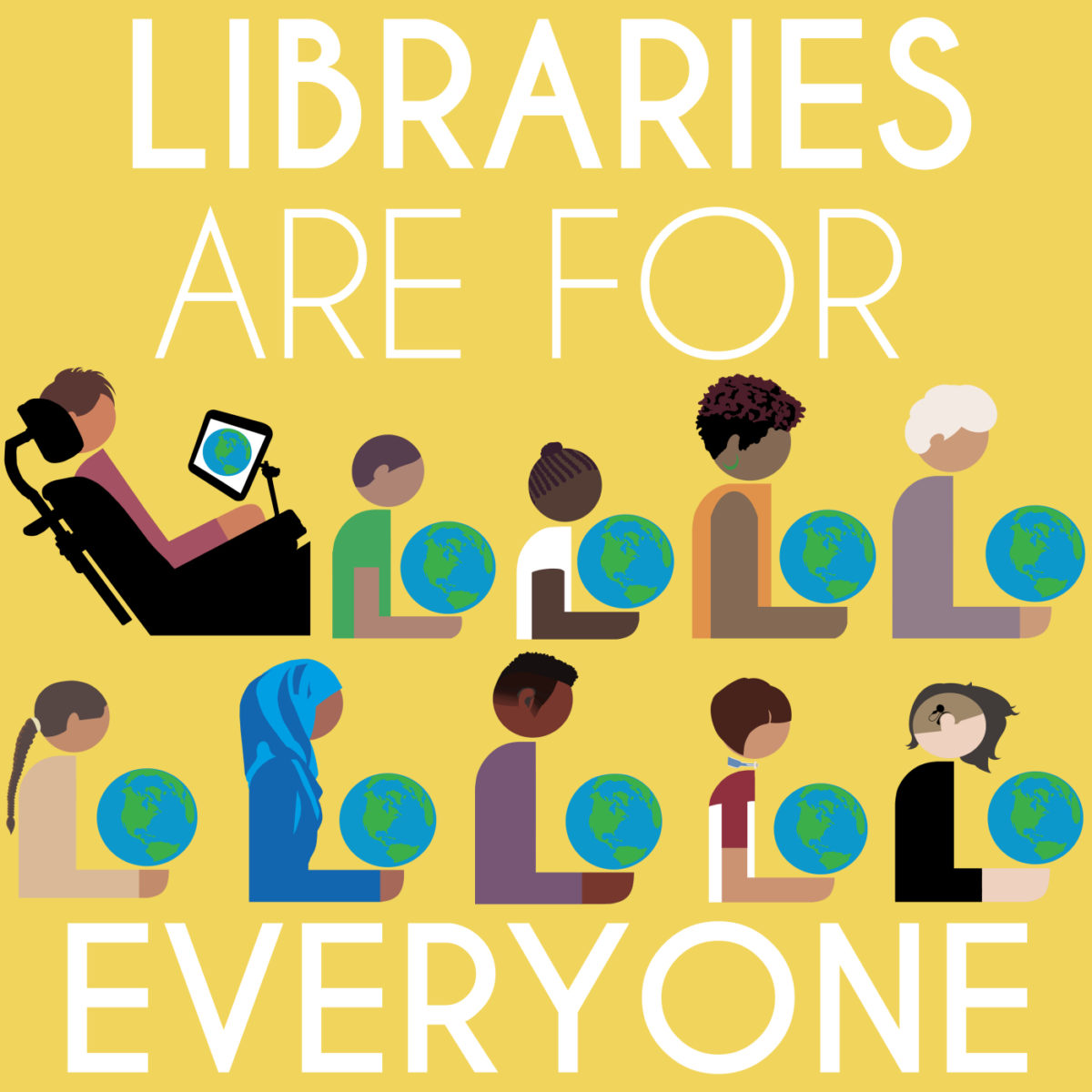
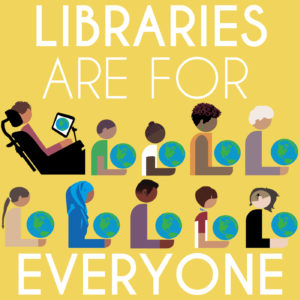
Graphic with the words Libraries are for Everyone

When interviewing for a library job, asking insightful questions can demonstrate your interest in the role and help you gain a better understanding of the organization’s culture, expectations, and opportunities for growth. Here are three key questions to consider asking during your library job interview:

  1. What initiatives is the library currently undertaking to engage the community and promote literacy?

Libraries play a vital role in fostering community engagement and promoting literacy. By asking about the library’s current initiatives in these areas, you can gain insight into its commitment to serving the community. You can also determine their overriding educational and political goals. Pay attention to the interviewer’s response—are they enthusiastic about the library’s outreach efforts, or do they seem uncertain? Their answer can provide valuable information about the library’s priorities. It also signals how you can contribute to its mission (or not.)

  1. How does the library support professional development and continuing education for its staff?

Professional development is essential for staying current in the library field and advancing your career. By asking about opportunities for professional development and continuing education, you can demonstrate your commitment to growth and learning.

Listen for information about training programs, conferences, workshops, and other resources available to staff. Additionally, ask about mentorship opportunities and career advancement paths within the library. Understanding how the library supports staff development can help you assess whether it aligns with your own career goals and aspirations.

  1. What is the library’s approach to incorporating technology and digital resources into its services?

In today’s digital age, libraries are increasingly embracing technology and digital resources to enhance their services and meet the needs of patrons. By asking about the library’s approach to technology, you can gain insight into its readiness to adapt to changing trends and innovations in the field. You also will be able to detect funding issues that might arise. Budgets have always been an issue in every library I’ve every worked in.

Pay attention to how the interviewer discusses the library’s use of technology—are they proactive about integrating digital resources, or do they seem hesitant? Their answer can provide valuable information about the library’s vision for the future and how you can contribute to its technological initiatives.

Asking thoughtful questions during your library job interview can help you gain valuable insight into the organization’s culture, opportunities for professional development, and approach to technology. By demonstrating your interest and engagement, you can leave a positive impression on your interviewer.  You can also make an informed decision about whether the library is the right fit for you too.

Categories
#kathyhusser Family Happiness Health holidays kathyhusser Library Jobs Travel

Portugal in 2025

Portugal, a country rich in history, culture, and natural beauty, is one of Europe’s most popular travel destinations for 2025. From its stunning coastline to its vibrant cities, Portugal offers something for every traveler. Whether you’re drawn to historical sites, picturesque hiking trails, or world-class museums, Portugal has it all. Here’s a guide to the top tourist spots, hiking destinations, and museums to see while visiting this charming country.

Lisbon
No trip to Portugal is complete without a visit to Lisbon, the country’s vibrant capital. Lisbon’s charm lies in its mix of old-world charm and modern liveliness. Wander through the historic neighborhood of Alfama, where narrow streets, colorful buildings, and Fado music create an unforgettable atmosphere.

Don’t miss the Belém Tower and Jerónimos Monastery, both UNESCO World Heritage Sites. These showcase the grandeur of Portugal’s Age of Discovery. For stunning views of the city, take a ride on the Santa Justa Lift or head to one of Lisbon’s many “miradouros,” (Viewpoints for photos).

Porto
Porto, Portugal’s second-largest city, is famous for its wine and stunning architecture. The historic Ribeira district, with its cobbled streets and colorful houses, is a must-see. As a librarian, don’t miss the Livraria Lello, one of the most beautiful bookstores in the world. Tickets are well worth the history and tour.

Or visit the iconic Dom Luís I Bridge, for spectacular views of the Douro River. Of course, no visit to Porto is complete without a tour of the port wine cellars in Vila Nova de Gaia.  Here you can learn about and taste the city’s famous export – Cheers!

Sintra
Located just a short drive from Lisbon, Sintra is a fairy-tale town nestled in the hills of the Serra de Sintra. It’s home to some of Portugal’s most stunning palaces and gardens, including the colorful National Palace of Pena. This palace looks like something out of a storybook.

The Moorish Castle, with its breathtaking views, and the mysterious Quinta da Regaleira, with its gardens and tunnels, are must-visits. Sintra’s blend of natural beauty and architectural wonders makes it one of Portugal’s most magical destinations.

Hiking
Portugal’s diverse landscapes offer excellent hiking trails for nature lovers. The Rota Vicentina, located in the southwestern Alentejo and Algarve regions, is one of the most beautiful coastal trails in Europe.

The trail offers a mix of rugged cliffs, sandy beaches, and quaint fishing villages. The Fisherman’s Trail, in particular, is a favorite among hikers for its stunning ocean views and challenging terrain.

Peneda-Gerês National Park, Portugal’s only national park, is a paradise for hikers. Located in the northern part of the country, the park features lush forests, crystal-clear rivers, and ancient stone villages. Take your pick in any of Portugal’s many cities to enjoy nature and get your heart pumping.

Museums and Churches

Finally, Portugal’s many museums and ancient churches are a must see for your travel agenda. Carmo Archaeological Museum is situated in the ruins of the old Church of Santa Maria do Carm. This church was founded in 1389 by D. Nuno Alvares Pereira.

While in Lisbon don’t miss the most ornate church ever seen, Igreja de Sao Rogue. With its gilded interiors and opulent chapels, every turn is full of history and a great photo opportunity.

Whether you’re a nature lover or seasoned tourist, Portugal is a European location not to be missed this year.

For more travel inspiration check out: KathyHusserTempe.com

Categories
#kathyhusser career Family Happiness Health kathyhusser Library Jobs work

Expectations for 2025

Setting Expectations for 2025

Photo by No Revisions on Unsplash

With 2025 and a new year in front of us, we tend to reflect on past achievements, setbacks, and experiences. The transition from one year to the next presents a unique opportunity to redefine priorities and set clear expectations for the year ahead. In 2025, establishing personal and professional goals with concrete expectations can have a profound impact on success, motivation, and overall well-being.

Creating Clarity and Direction

Setting expectations provides a sense of clarity. Without a clear sense of where we want to go, it’s easy to become distracted or overwhelmed by the demands of daily life. In a fast-paced world where new opportunities and challenges arise constantly, defining what you expect from yourself and the year ahead helps to maintain focus. This clarity allows you to direct your energy toward meaningful endeavors rather than being swayed by distractions.

Accountability

When you set expectations for the year, you also build in a system of accountability. Expectations function as a form of self-contract, a commitment you make to yourself about what you aim to achieve. Whether your goals are related to career advancement, personal growth, or wellness, establishing these goals helps keep you accountable. Regularly checking in with these expectations can also serve as a powerful motivator, prompting you to reassess and adjust. Whether it’s a financial goal or career-focused achievement, keep re-assessing your progress.

Managing Stress and Burnout

Photo by Chelsea Gates on Unsplash

In a world that often prioritizes constant productivity, it’s easy to push yourself to extremes. However, unrealistic expectations can lead to stress and burnout. Setting balanced expectations that account for both ambition and personal well-being is crucial. For 2025, it’s important to not only set high aspirations but also to be mindful of your limits. This balanced approach helps maintain both mental and physical health, allowing you to avoid burnout and approach your goals sustainably.

Enhancing Personal Growth

Setting expectations is also a pathway to personal development. By clearly defining what you want to achieve, you give yourself the chance to grow in specific areas. Whether it’s developing a new skill, improving relationships, or achieving financial goals, having expectations pushes you out of your comfort zone. Growth doesn’t happen by accident — it’s the result of intentional effort and persistence. Both of these are supported by your well-defined expectations.

2025 offers a fresh start, and setting expectations is a powerful way to ensure that the year is filled with purpose, direction, and growth. By taking the time to reflect on your goals, you can create a roadmap for success that keeps you accountable and balanced throughout the year.

For more living well tips check out: KathyHusserTempe.com

Categories
#kathyhusser career careertips Happiness Health kathyhusser Librarian & Entrepreneurship Library Jobs Library Leadership

Career Transitions

Transitioning in your career can be both exciting and scary. Whether you’re seeking new challenges, better opportunities, or pursuing a passion, shifting careers requires thoughtful planning and strategic actions. From gaining the necessary education to building a strong network, here’s how to successfully navigate a career change.

Education and Skill Development

Education is often the first step in a career transition, especially if you’re moving into a completely new field. Start by assessing the skills you already have and identifying the gaps you need to fill. Research the skills required for your desired career and consider enrolling in relevant courses, certifications, or even degree programs. Online learning platforms offer flexibility, allowing you to upskill while maintaining your current job.

In some cases, you might not need formal education but rather specialized training or workshops that offer practical, hands-on experience. Look for opportunities to gain experience through internships, volunteering, or part-time work in your new field. This not only enhances your resume but also gives you a taste of what the job entails, helping you determine if it’s the right fit.

 Networking

Networking is crucial when transitioning careers. Building relationships with professionals in your target industry can open doors to opportunities that aren’t advertised. Start by attending industry events, seminars, and webinars where you can meet and learn from others in the field. LinkedIn is also a powerful tool for networking. You need to connect with individuals in your desired industry, join relevant groups, and participate in discussions to establish yourself. It’s scary at first, but take it from me you meet so many good people via LinkedIn.

Informational interviews are another valuable resource. Reach out to professionals in your target industry to learn more about their career paths, challenges, and the skills required. These conversations can provide insights and guidance that are invaluable during a career transition.

Embracing a Total Career Change

A complete career change can be intimidating, but with careful planning, it’s achievable. Start by doing a self-assessment to understand your motivations for the change. Identify what you’re passionate about, what skills you excel in, and how these can be applied to a new field. This self-awareness is crucial in making informed decisions about your next steps.

Once you’ve identified your new career path, begin laying the groundwork. Update your resume to highlight transferable skills and any relevant experience. Consider creating a portfolio that showcases your work, particularly if you’re moving into a creative or technical field. Tailor your cover letters and applications to reflect your enthusiasm for the new field and your readiness to contribute.

Taking the Leap

Finally, transitioning in your career requires courage and resilience. It’s important to set realistic expectations and be prepared for challenges along the way. Consider taking small steps towards your goal, such as starting in a related role before fully transitioning, to ease the process.

Remember, career transitions are a journey. By investing in education, expanding your network, and embracing change, you can successfully navigate the path to a new career. Keep an open mind, stay patient, and trust in your ability to adapt and grow.  You’ve got this!

For more career tips check my website: KathyHusserTempe.com