Categories
career careertips Family kathyhusser work

Relationships are Important

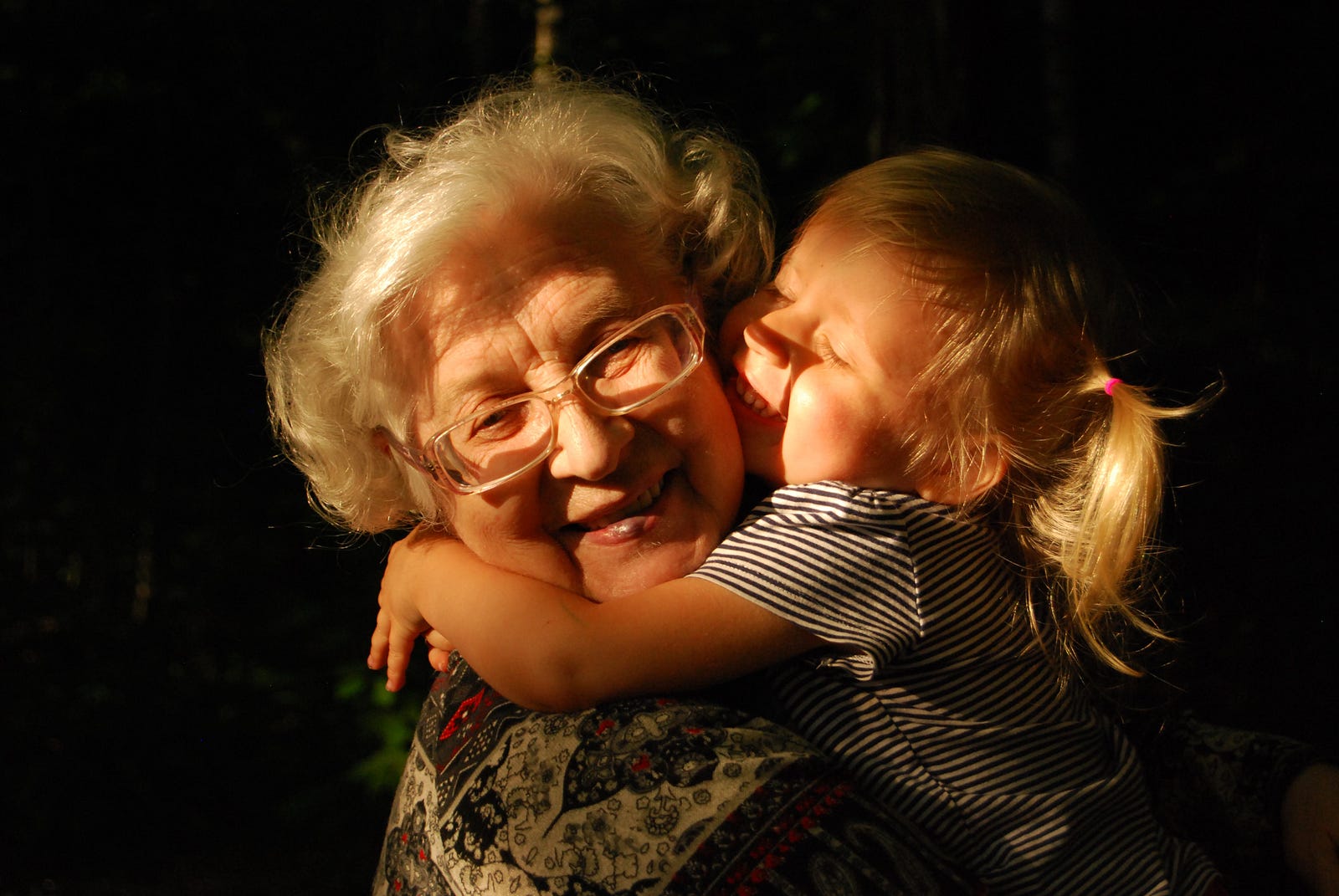
As we age, the significance of relationships becomes increasingly important. While youth often comes with an abundance of social interactions and casual connections, getting older tends to bring a deeper appreciation for meaningful relationships. These connections, whether with family, friends, or partners, play an essential role in maintaining emotional, mental, and even physical well-being.

Emotional Support and Resilience

One of the greatest benefits of maintaining relationships as you get older is the emotional support they provide. Life presents ongoing challenges—health issues, loss, and major life transitions can become more frequent. Having a solid network of friends or loved ones to lean on during these times provides much-needed comfort and resilience. Emotional support helps alleviate feelings of loneliness and isolation, which can significantly impact mental health. A strong support system fosters a sense of belonging and helps you navigate difficult moments with greater ease.

Mental and Cognitive Health

Relationships also contribute to mental sharpness and cognitive health. As we age, staying socially active can reduce the risk of cognitive decline. Regular interactions with friends and loved ones keep the mind engaged, offering stimulating conversations, new perspectives, and challenges. Whether it’s catching up over coffee, playing a game, or discussing a book, social engagements help maintain brain health and prevent feelings of stagnation or boredom.

 Physical Health and Longevity

There is growing evidence that strong relationships are linked to better physical health. Studies have shown that individuals with close connections tend to live longer and experience better health outcomes than those who are isolated. Companionship encourages healthier behaviors, such as exercising, eating well, and attending medical checkups. Friends and family members often provide gentle reminders to take care of ourselves, whether it’s a daily walk or a visit to the doctor.

The Value of Making New Connections

While maintaining existing relationships is crucial, making new connections as you get older is equally important. Life changes—such as retirement, moving, or the loss of loved ones—can reduce your social circle. Seeking new friendships or rekindling old ones can reinvigorate your social life. Joining clubs, engaging in community activities, or pursuing hobbies can introduce you to new people with shared interests.

As you age, relationships become one of the most important pillars of a happy, healthy life. Maintaining connections with friends and loved ones provides emotional support, improves cognitive function, and enhances overall well-being. Whether nurturing existing bonds or building new ones, staying socially connected is key to thriving in later life.

Check out more living well tips at: KathyHusserTempe.com


Categories
Family Happiness Health holidays kathyhusser work

Staying Thankful

Staying thankful through major life changes—such as moving, changing careers, or facing health challenges—can be overwhelming. These transitions often bring uncertainty, fear, and disruption to our routines. Yet, how we respond to change plays a vital role in our overall health and well-being. Maintaining a positive attitude during these times isn’t just comforting—it’s a powerful tool. A tool that can protect both your mental and physical health.

The Power of Perspective

While we can’t always control what happens in life, we can control how we interpret and react to it. A positive mindset doesn’t mean ignoring pain or pretending everything is fine. Instead, it means choosing to face challenges with hope, openness, and the belief that you can grow through adversity.

Research shows that people with a positive outlook recover faster from setbacks, have lower levels of stress, and are more resilient. They’re more likely to find meaning in hardship and adapt in healthy ways. Even small shifts in thinking—focusing on what you can control, practicing gratitude, or seeing challenges as opportunities make a difference.

Health Benefits of Staying Positive

A positive attitude does more than lift your mood. It’s been linked to a variety of health benefits, including:

  • Stronger immune function: Optimistic individuals tend to have better immune responses, helping them fight illness more effectively.
  • Lower stress levels: Positivity reduces the effects of chronic stress, which can harm the body over time.
  • Heart health: Studies show that positive thinking is associated with lower blood pressure and a reduced risk of heart disease.
  • Improved mental health: A hopeful outlook can ease symptoms of depression and anxiety, and boost feelings of self-worth and motivation.

Taking Care of Yourself

Supporting your physical health during change is just as important. Regular exercise, nutritious food, and restful sleep give your body the strength it needs to handle emotional ups and downs. Equally important is seeking connection. For example, talking to friends, journaling, or asking for help when needed are great ways to cope.

Remember, it’s okay to feel unsettled during major life shifts. But by nurturing a positive attitude, you create space for healing, growth, and even joy in the face of change.

Life will always bring change, but your mindset can shape how that change affects you. Stay hopeful, stay kind to yourself, and take care of your health, inside and out.

For more living well tips check out my website: KathyHusserTempe.com

Categories
kathyhusser Librarian & Entrepreneurship Library Jobs Travel work

College Today

College has long been seen as the path to success in the United States. For many families, sending a child to college is part of the “American Dream.” Each year, millions of students graduate high school and take the next step toward a college degree. But is college still the most popular path after high school? Why do students choose college? And how much does a degree actually cost today?

Are Most High School Graduates Going to College?

Yes, most high school graduates in the U.S. still go to college—but not all of them. According to the National Center for Education Statistics (NCES), about 62% of high school graduates enrolled in college in 2022. This number has dropped slightly in recent years, especially after the COVID-19 pandemic, when many students chose to work, take gap years, or attend trade schools instead.

Even so, college remains the most common path after high school. Students have the option to attend either a two-year community college or a four-year university. Some start at community college and transfer later to complete a bachelor’s degree, like my son.

Why Go to College?

There are many reasons students choose to go to college. One of the main reasons is to increase their job opportunities. Many careers today require at least a bachelor’s degree. Doctors, teachers, engineers, nurses, and many business professionals all need higher education to enter their fields. However, the job market is tough these days for new grads according to current economic data.

College graduates do have a higher earning potential. On average, new college graduates earn more money over their lifetime than workers with only a high school diploma. According to the U.S. Bureau of Labor Statistics, a person with a bachelor’s degree earns around $1,432 per week, while someone with only a high school diploma earns about $853 per week. That’s a difference of over $30,000 per year.

Students also go to college for personal growth and new experiences. For many, college is a time to meet new people, learn about different cultures, and explore career paths. Some students attend college to study what they love—like art, music, science, or literature—and turn their passions into careers.

Others go to college because it opens doors. It may help them gain talents like public speaking, writing, and AI skills that currently employers’ value. You can also travel and learn life skills in college that you normally wouldn’t experience anywhere else.

How Much Does a Four-Year Degree Cost?

The cost of college has gone up a lot in the past 20 years. Today, the price of a four-year degree depends on whether you attend a public or private college.

According to the College Board (2024 data):

  • Public in-state universities cost about $11,260 per year for tuition and fees.
  • Public out-of-state universities cost roughly $29,150 per year.
  • Private universities cost around $41,540 per year.

So, the total cost of a four-year degree ranges from about $45,000 to over $160,000, not including housing, food, books, or travel. When you add in those living expenses, the full cost can be even higher.

To help with the cost, many students use financial aid, including scholarships, grants, work-study programs, and student loans. However, student loan debt has become a concern in the U.S., with many graduates owing tens of thousands of dollars.

That said, college is still a popular choice, especially for students who want career options with higher pay. While fewer students are enrolling than a decade ago, a majority still see college as a smart investment in their future.

But college isn’t the only path to success. Trade schools, apprenticeships, and other job-training programs are growing in popularity too. Still, for many, a college degree remains a key part of reaching their goals and building a better life.

For more lifestyle and family information check out: KathyHusserTempe.com

Categories
#kathyhusser career Family Happiness Health kathyhusser Librarian & Entrepreneurship Travel

2026 Goals

As we enter the last few weeks of 2026, your goals for next year should be reviewed. It’s the perfect time to reassess your accomplishments for 2025 and organize the new year ahead.

How did 2025 shake out?

I like to make a list (using last year’s focus) on what was achieved in your career this year.  Did your career targets meet your expectations?  What goals need revising or provide feedback for other career tracks, like a promotion or movement to a different area?  Get an assessment for where you’re at in your job and make a goal(s) for 2026.

Does your lifestyle fit you?

Again, ask yourself the questions about who you’re socializing with and why.  Does my “tribe” support my long- and short-term goals?  Am I getting the support I need to make my dreams a reality? Plus, remember lifestyle is everything from your budget on spending, where you live, and who you hang out with. These all need to align with who you truly are and where you’d like to end up.

Is your mindset supportive or hurting you?

Your frame of mind has a huge impact on your personal goals and their success. For example, if you’d like to try to learn a new language, hobby, or change careers you can!  You have to start, without having the mastery or confidence to be good at first.  We all start out as a student at some time in our lives. But, never starting that path toward change, will definitely hinder your progress toward learning and growth.

So, the old saying rings true, “If you think you can or cannot, you are always right!”  Having a positive mindset to achieve your goal is the first step toward success!

Keeping a record

Finally, keep a record of your yearly objectives with a timeline, benchmarks, and feedback for improvement. Keeping track of your progress makes you accountable especially if you share your goals with friends and family. You can change anything. If you really want something bad enough it is usually achievable with hard work, perseverance, and patience.

Create your 2026 goals to reflect your lifestyle and dreams and don’t ever give up! 

For more inspiration check out my website: KathyHusserTempe.com

Categories
careertips Family Happiness Health kathyhusser work

Power of Organization

Organization brings clarity and peace. On the other, hand living in a cluttered space can feel overwhelming and chaotic. Disorganization often leads to stress, distraction, and decreased productivity. Research shows clutter increases cortisol, the stress hormone, especially in women. A disorganized home sends constant visual reminders of unfinished tasks. This creates mental fatigue and makes it harder to focus or relax.

A clean, decluttered space helps you think more clearly and feel more in control. Studies have shown that people with tidy homes tend to be healthier overall. They also sleep better and report lower levels of anxiety. Organization promotes better time management and smoother daily routines.

Every object in your home should have a purpose and place. When things are scattered, time is wasted looking for them. A tidy space reduces distractions and helps your brain focus on what matters. Even small organizational habits can produce big improvements in mood and energy.

Decluttering

Decluttering is not just about throwing things away, but a habit to develop. It’s about making space for what truly supports your life. Start by sorting items into categories: keep, donate, recycle, and discard. Work room by room, focusing on one area at a time. Celebrate small wins to stay motivated and consistent.

Clutter can also carry emotional weight. Items tied to guilt or nostalgia can create mental roadblocks. Letting go of unneeded things helps you emotionally detach and feel lighter. It clears mental space along with physical space. Your home becomes a sanctuary instead of a source of stress.

Living with Less

Minimalism doesn’t mean living with nothing—it means living with intention. When your space supports your values, you feel more aligned and peaceful. Organized homes also help children learn responsibility and reduce family tension. Everyone benefits from a system that’s easy to follow.

Routine maintenance is key to staying organized. Your goal should be to take 10 minutes daily to reset your space. Return items to their place and resist the urge to accumulate. Before buying something new, ask yourself if it adds real value. Mindful purchasing reduces clutter and saves money long term.

Lifestyle Shift

Decluttering isn’t a one-time project—it’s a lifestyle shift. It requires regular reflection on what you really need and use. Organized homes encourage more intentional living and healthier habits. You’re more likely to cook, exercise, or meditate in a clean, open space. It becomes easier to welcome guests without shame or stress.

A decluttered home reflects a decluttered mind. It’s easier to find joy in your environment and stay motivated. You gain time, energy, and peace from a well-ordered space. Your home should be a retreat, not a source of chaos.

Start small, stay consistent, and build momentum. Organization brings freedom, not restriction. It empowers you to live a more focused, purposeful life. Make space for the life you want to live—one room, one drawer at a time.

For more living tips check: KathyHusserTempe.com

Categories
#kathyhusser career careertips Happiness Health Library Jobs Library Leadership work

Career Education

Have an agenda and your goals will be accomplished
There is no agenda in life, just be flexible.

What I’ve learned over a 43-year career in education and public service is quite simple. And here’s my story to illustrate a few lessons from experience.

Rejection is Re-Direction

My very first interview was with Jack-in-the-Box, a fast food restaurant. I knew the Assistant Manager, a friend from high school, and thought I’d be great at the job. A job I needed to pay my way for a Student Council Conference in Nevada that summer. I didn’t get the job, despite my friend, Peter’s, recommendation. Disappointment set in, until a week later the supervisor for our public library called me for an interview!  In two weeks, I would be shelving books, in the air-conditioned comfort of my local library.  Thank you, Mary!

Keep Growing

This first high school job, turned into a promotion, raises, and life experience managing people. Working at the library, with our team and leadership during this time was the best learning experience to set me on my career path.  I earned a degree, moved across country and worked for two food companies expanding my people skills into another industry.

I learned from other people different from me. I grew in my career (with more promotions) when young women were just starting to venture out independently in their careers. For example, I was one of the first women to wear pants in my company. I didn’t know I “shouldn’t” in the early 90’s, and I started a “trend” for the female staff.

Take a Break

Taking a break from your career is also a personal decision, my family made when I had children. There was no option to work remotely, and women were still the main caretakers during those years.  This “re-direction” worked out, because when my youngest was 5, I started working again at my public library. And this is the Universe providing the opportunity I needed, at the right time in my career.

I had the best boss, since the manager that hired me left two weeks into my tenure. But, he told me, “You’re ‘good people’ Kathy, and you’ll do well even after I’ve retired.”  After 25 years, that compliment and the break he provided me was the start of something even better.

Good Habits Equal Success

Back at the library, I learned every aspect of City government and managing large and smaller teams. My growth was due to volunteering for opportunities and always helping others which strengthen my people skills. Over time these work habits, plus self-awareness, and my solid reputation enabled me to reach my ultimate goal of Director. The one thing I didn’t do, was applaud my own success. (Women tend not to “toot their own horn,” even today…. but we’re getting better!)

Over time with more rejection and redirection, I’ve discovered your career is not linear. Your career will take detours for many reasons. At times, you have no control over your path. But my innate character qualities, strong habits, and work ethic allowed me to succeed in other roles.

Roles that gave me more learning opportunities and success beyond my dreams.  I even returned to work for an organization that got me started early in my career. They knew me, my work, and my kind-heartedness. Match made in heaven!

For more career inspiration check out: KathyHusserTempe.com

Categories
#kathyhusser career careertips Family Happiness Health kathyhusser work

Relationships

As we age, the significance of relationships becomes increasingly apparent. While youth often comes with an abundance of social interactions and casual connections, getting older tends to bring a deeper appreciation for meaningful relationships.

These connections, whether with family, friends, or partners, play an essential role in maintaining emotional, mental, and even physical well-being.

Emotional Support and Resilience

One of the greatest benefits of maintaining relationships as you get older is the emotional support they provide. Life presents ongoing challenges—health issues, loss, and major life transitions can become more frequent.

Having a solid network of friends or loved ones to lean on during these times provides much-needed comfort and resilience. Emotional support helps alleviate feelings of loneliness and isolation, which can significantly impact mental health. A strong support system fosters a sense of belonging and helps you navigate difficult moments with greater ease.

Mental and Cognitive Health

Relationships also contribute to mental sharpness and cognitive health. As we age, staying socially active can reduce the risk of cognitive decline. Regular interactions with friends and loved ones keep the mind engaged, offering stimulating conversations, new perspectives, and challenges.

Whether it’s catching up over coffee, playing a game, or discussing a book, social engagements help maintain brain health and prevent feelings of stagnation or boredom.

 Physical Health and Longevity

There is growing evidence that strong relationships are linked to better physical health. Studies have shown that individuals with close connections tend to live longer and experience better health outcomes than those who are isolated. Companionship encourages healthier behaviors, such as exercising, eating well, and attending medical checkups.

Friends and family members often provide gentle reminders to take care of ourselves, whether it’s a daily walk or a visit to the doctor.

The Value of Making New Connections

While maintaining existing relationships is crucial, making new connections as you get older is equally important. Life changes—such as retirement, moving, or the loss of loved ones—can reduce your social circle. Seeking new friendships or rekindling old ones can reinvigorate your social life. Joining clubs, engaging in community activities, or pursuing hobbies can introduce you to new people with shared interests.

As you age, relationships become one of the most important pillars of a happy, healthy life. Maintaining connections with friends and loved ones provides emotional support, improves cognitive function, and enhances overall well-being.

Whether nurturing existing bonds or building new ones, staying socially connected is key to thriving in later life.

Check out more living well tips

KathyHusserTempe.com


Categories
#kathyhusser career careertips Happiness Health kathyhusser Librarian & Entrepreneurship Library Jobs Library Leadership work

Growth Mindset

Learning from mistakes and adopting a growth mindset are important for achieving success in both personal and professional goals. Embracing these principles not only increases resilience but also fosters continuous improvement and development.

A growth mindset, a concept popularized by psychologist Carol Dweck, is the belief that abilities and intelligence can be developed through effort and learning. Individuals with a growth mindset view challenges as opportunities to grow rather than obstacles. This perspective encourages them to take risks and embrace new experiences, knowing that mistakes are part of the learning process.

Mistakes, while often viewed negatively, are valuable learning opportunities. When individuals make errors, they gain insights that can lead to better decision-making in the future. Instead of dwelling on failures, those with a growth mindset analyze what went wrong and why. This reflective process encourages a deeper understanding of their strengths and weaknesses. This allows them to adjust their strategies and methods moving forward.

Furthermore, learning from mistakes promotes resilience. Instead of feeling defeated by setbacks, individuals can cultivate a sense of perseverance. Each mistake can be reframed as a stepping stone toward success. This resilience is essential in a world where challenges and failures are unavoidable. By developing the ability to bounce back, individuals can maintain motivation and continue working toward their goals.

A growth mindset also encourages a love of learning. Individuals become curious and open to feedback, seeking out opportunities for growth and improvement. This eagerness to learn can lead to the development of new skills and a deeper understanding of one’s field. As individuals continue to expand their knowledge and abilities, they position themselves for greater success.

In addition, cultivating a growth mindset promotes collaboration and support among peers. When individuals are open about their mistakes and willing to learn from each other, it creates an environment of trust and innovation. Team members are more likely to share ideas and take risks, leading to collective growth and success.

Learning from mistakes and embracing a growth mindset are vital for achieving success. By viewing challenges as opportunities for growth, individuals can develop resilience, foster a love of learning, and enhance collaboration. This approach not only leads to personal development but also contributes to a more innovative and dynamic environment. This sets the stage for lasting success in your career and personal life.

For more check out: KathyHusserTempe.com

Categories
careertips kathyhusser Librarian & Entrepreneurship library books Library Jobs Library Leadership work

What I Learned

What I’ve learned over a 43-year career in education and public service is quite simple. And here’s my story to illustrate a few lessons from experience.

Rejection is Re-Direction

My very first interview was with Jack-in-the-Box, a fast food restaurant. I knew the Assistant Manager, a friend from high school, and thought I’d be great at the job. A job I needed to pay my way for a Student Council Conference in Nevada that summer. I didn’t get the job, despite my friend, Peter’s, recommendation.

Disappointment set in, until a week later the supervisor for our public library called me for an interview!  In two weeks, I would be shelving books, in the air-conditioned comfort of my local library.  Thank you, Mary!

Keep Growing

This first high school job, turned into a promotion, raises, and life experience managing people. Working at the library, with our team and leadership during this time was the best learning experience to set me on my career path.  I earned a degree, moved across country and worked for two food companies expanding my people skills into another industry.

I learned from other people different from me. I grew in my career (with more promotions) when young women were just starting to venture out independently in their careers. For example, I was one of the first women to wear pants in my company. I didn’t know I “shouldn’t” in the early 90’s, and I started a “trend” for the female staff.

Take a Break

Taking a break from your career is also a personal decision, my family made when I had children. There was no option to work remotely, and women were still the main caretakers during those years.

This “re-direction” worked out, because when my youngest was 5, I started working again at my public library. And this is the Universe providing the opportunity I needed, at the right time in my career.

I had the best boss, since the manager that hired me left two weeks into my tenure. But, he told me, “You’re ‘good people’ Kathy, and you’ll do well even after I’ve retired.”  After 25 years, that compliment and the break he provided me was the start of something even better.

Good Habits Equal Success

Back at the library, I learned every aspect of City government and managing large and smaller teams. My growth was due to volunteering for opportunities and always helping others which strengthen my people skills. Over time these work habits, plus self-awareness, and my solid reputation enabled me to reach my ultimate goal of Director.

The one thing I didn’t do, was applaud my own success. (Women tend not to “toot their own horn,” even today…. but we’re getting better!)

Over time with more rejection and redirection, I’ve discovered your career is not linear. Your career will take detours for many reasons. At times, you have no control over your path. But my innate character qualities, strong habits, and work ethic allowed me to succeed in other roles.

Roles that gave me more learning opportunities and success beyond my dreams.  I even returned to work for an organization that got me started early in my career. They knew me, my work, and my kind-heartedness. Match made in heaven!

For more career inspiration check out: KathyHusserTempe.com

Categories
#kathyhusser careertips Happiness Health kathyhusser Librarian & Entrepreneurship Library Jobs Library Leadership work

Continuing Education

Leadership written in blue and hand writing the word visible.Continuing education is crucial for professionals at any stage of their careers, even after achieving a stable position. In today’s rapidly evolving job market, staying current with industry trends and advancements is essential. Ongoing learning helps you adapt to changes in technology, regulations, and best practices. This ensuring you are relevant and competitive in your role.

Skills

One of the primary benefits of continuing education is skill enhancement. As industries evolve, new skills become necessary. By pursuing further education, professionals acquire new skills. This allows you to take on new responsibilities and improve job performance. A proactive approach can lead to career advancement, promotions, and increased job satisfaction.

Personal Growth

Continuing education fosters personal growth. Engaging in new learning experiences encourages critical thinking and creativity. It opens up opportunities to explore diverse perspectives and innovative solutions to challenges in the workplace. This not only enhances individual capabilities but also contributes to a more dynamic and productive work environment.

Networking

Networking opportunities also abound with continuing education. Workshops, seminars, and courses provide platforms for professionals to connect with peers and industry leaders. These connections can lead toward collaborations, mentorships, and other job opportunities. These will further enhance your career prospects down the road.

Lifelong Learning

Additionally, pursuing continuing education demonstrates a commitment to lifelong learning. Employers value individuals who actively seek knowledge and self-improvement. This dedication can set you apart from peers, showcasing your motivation and ambition.

Education is vital for career growth and personal development. It enables professionals to adapt to changes, acquire new skills, foster creativity, and build valuable networks. Embracing lifelong learning not only enhances individual careers but also contributes to a more knowledgeable and skilled workforce. Prioritizing ongoing education is essential for sustained success in any profession.

For more career articles check out KathyHusserTempe.com