Categories
#kathyhusser career Family Happiness Health kathyhusser Librarian & Entrepreneurship Travel

2026 Goals

As we enter the last few weeks of 2026, your goals for next year should be reviewed. It’s the perfect time to reassess your accomplishments for 2025 and organize the new year ahead.

How did 2025 shake out?

I like to make a list (using last year’s focus) on what was achieved in your career this year.  Did your career targets meet your expectations?  What goals need revising or provide feedback for other career tracks, like a promotion or movement to a different area?  Get an assessment for where you’re at in your job and make a goal(s) for 2026.

Does your lifestyle fit you?

Again, ask yourself the questions about who you’re socializing with and why.  Does my “tribe” support my long- and short-term goals?  Am I getting the support I need to make my dreams a reality? Plus, remember lifestyle is everything from your budget on spending, where you live, and who you hang out with. These all need to align with who you truly are and where you’d like to end up.

Is your mindset supportive or hurting you?

Your frame of mind has a huge impact on your personal goals and their success. For example, if you’d like to try to learn a new language, hobby, or change careers you can!  You have to start, without having the mastery or confidence to be good at first.  We all start out as a student at some time in our lives. But, never starting that path toward change, will definitely hinder your progress toward learning and growth.

So, the old saying rings true, “If you think you can or cannot, you are always right!”  Having a positive mindset to achieve your goal is the first step toward success!

Keeping a record

Finally, keep a record of your yearly objectives with a timeline, benchmarks, and feedback for improvement. Keeping track of your progress makes you accountable especially if you share your goals with friends and family. You can change anything. If you really want something bad enough it is usually achievable with hard work, perseverance, and patience.

Create your 2026 goals to reflect your lifestyle and dreams and don’t ever give up! 

For more inspiration check out my website: KathyHusserTempe.com

Categories
#kathyhusser Family Happiness holidays kathyhusser

Holiday Traditions

Photo by Soroush Karimi on Unsplash

As we approach the holidays, old and new traditions are bound to come up during your planning. Depending upon your family and friends, traditions seem to change as you expand your circle.

New Family

Photo by Nathan Dumlao on Unsplash

A new daughter in law this year gave us the opportunity to host Thanksgiving early. She enjoyed time with both families. The entire family was able to come together to celebrate on both sides and enjoy turkey twice! I feel this new tradition will stick. It was convenient, everyone provided a dish, and we were all happy!

Next year we will have a new baby to welcome to the family…YAY! So, the Christmas traditions will definitely change a bit too. I can’t wait to buy toys and make gingerbread houses again. Plus, children during the holidays is such a fun way to celebrate and create memories together.

Times Change

Photo by Melisa Nadin Kumas on Unsplash

As travel becomes easier between destinations and families relocate, the changing times create new traditions. Will we celebrate at my son’s home? Will Grandma be hosting this year? What about the new in-laws and their traditions? Many questions need to be navigated to help ease into a new family dynamic.

You should uphold traditions that are working and make new ones to meet your needs. Think about new family members, friends, and elderly parents that are not mobile. Consider altering times and holiday activities so everyone can enjoy their time together.

Be Flexible

Flexibility is easier said than done sometimes. Children and older adults usually have strict schedules. But, adapting to others’ needs is temporary during this time of year. For a couple of months, relax bedtimes, meals, and enjoy the season.

Have an extra cookie or cup of cocoa when enjoying the crisp winter season. This is the time of year for family and friends to come together and make your traditions a lasting memory.

For more family inspiration check out: KathyHusserTempe.com

Categories
careertips Family Happiness Health kathyhusser work

Power of Organization

Organization brings clarity and peace. On the other, hand living in a cluttered space can feel overwhelming and chaotic. Disorganization often leads to stress, distraction, and decreased productivity. Research shows clutter increases cortisol, the stress hormone, especially in women. A disorganized home sends constant visual reminders of unfinished tasks. This creates mental fatigue and makes it harder to focus or relax.

A clean, decluttered space helps you think more clearly and feel more in control. Studies have shown that people with tidy homes tend to be healthier overall. They also sleep better and report lower levels of anxiety. Organization promotes better time management and smoother daily routines.

Every object in your home should have a purpose and place. When things are scattered, time is wasted looking for them. A tidy space reduces distractions and helps your brain focus on what matters. Even small organizational habits can produce big improvements in mood and energy.

Decluttering

Decluttering is not just about throwing things away, but a habit to develop. It’s about making space for what truly supports your life. Start by sorting items into categories: keep, donate, recycle, and discard. Work room by room, focusing on one area at a time. Celebrate small wins to stay motivated and consistent.

Clutter can also carry emotional weight. Items tied to guilt or nostalgia can create mental roadblocks. Letting go of unneeded things helps you emotionally detach and feel lighter. It clears mental space along with physical space. Your home becomes a sanctuary instead of a source of stress.

Living with Less

Minimalism doesn’t mean living with nothing—it means living with intention. When your space supports your values, you feel more aligned and peaceful. Organized homes also help children learn responsibility and reduce family tension. Everyone benefits from a system that’s easy to follow.

Routine maintenance is key to staying organized. Your goal should be to take 10 minutes daily to reset your space. Return items to their place and resist the urge to accumulate. Before buying something new, ask yourself if it adds real value. Mindful purchasing reduces clutter and saves money long term.

Lifestyle Shift

Decluttering isn’t a one-time project—it’s a lifestyle shift. It requires regular reflection on what you really need and use. Organized homes encourage more intentional living and healthier habits. You’re more likely to cook, exercise, or meditate in a clean, open space. It becomes easier to welcome guests without shame or stress.

A decluttered home reflects a decluttered mind. It’s easier to find joy in your environment and stay motivated. You gain time, energy, and peace from a well-ordered space. Your home should be a retreat, not a source of chaos.

Start small, stay consistent, and build momentum. Organization brings freedom, not restriction. It empowers you to live a more focused, purposeful life. Make space for the life you want to live—one room, one drawer at a time.

For more living tips check: KathyHusserTempe.com

Categories
#kathyhusser Family Happiness Health

Healthy Cooking

Healthy Home Cooking

As we age, we need to be more aware of the foods we put into our bodies. These simple tips will help you cook at home, be more healthy, and save time.

Here’s a simple list to help for a longer, better life:

  1. Control Your Ingredients
    Home cooking lets you manage salt, sugar, and fat.
  2. Add More Veggies
    Fresh produce boosts nutrients and overall wellness.
  3. Avoid Processed Foods
    Cooked meals cut harmful additives and preservatives.
  4. Support Heart and Brain Health
    Balanced meals improve long-term body and mind function.
  5. Lower Disease Risk
    Reduce obesity, diabetes, and high blood pressure naturally.

Stronger Habits

  1. Strengthen Family Bonds
    Sharing meals brings emotional connection and joy.
  2. Build Lifelong Habits
    Regular cooking encourages healthy, lasting routines.
  3. Live Longer
    Studies link frequent home cooking to longevity.
  4. Boost Immunity
    Whole foods help your body fight illness.

Be Mindful

  1. Save Money
    Meal planning and home prep lower grocery bills.
  2. Waste Less
    Cooking at home means smarter, cleaner food use.
  3. Practice Mindful Eating
    Focused meals support better digestion and satisfaction.
  4. Relieve Stress
    Cooking offers creative, calming benefits.
  5. Teach Healthy Habits
    Kids who cook eat better as adults.
  6. Enjoy Simple, Tasty Meals
    Home food can be quick, fun, and nourishing.
  7. Create Routine and Rhythm
    Meal time brings structure to busy days.
  8. Boost Energy Naturally
    Nutrient-rich food fuels your body better.
  9. Try New Things
    Explore flavors, cultures, and skills in your kitchen.
  10. Feel More Balanced
    Cooking brings intention and presence to everyday life.
  11. Start Small, Stay Consistent
    Healthy home meals lead to a longer, richer life.

For health-related tips check out KathyHusserTempe.com

Categories
#kathyhusser Family Happiness Health kathyhusser

Older People

Here are some thoughtful and practical tips to help you engage more meaningfully with older people, whether they’re family members or part of your community:

  1. Be Present and Patient
  • Slow down and give your full attention.
  • Let conversations unfold naturally—don’t rush or interrupt.
  • Many older adults appreciate the chance to share stories without feeling hurried.
  1. Ask About Their Life Experiences
  • Invite them to tell stories about their childhood, career, or past adventures.
  • Ask open-ended questions like, “What was your favorite memory growing up?” or “What was life like when you were my age?”
  • These stories often reveal valuable life lessons and create deep emotional bonds.
  1. Share Your Life, Too
  • Talk about your own life, even the small things.
  • Older adults often enjoy hearing about current trends, technology, or what’s going on in your world.
  • Sharing creates mutual interest and keeps the connection two-sided.
  1. Participate in Activities Together
  • Cook a meal, take a walk, do a puzzle, or look through old photos.
  • Simple shared activities foster connection and give space for natural conversation.
  • Choose things that match their energy level and interests.
  1. Show Respect for Their Wisdom
  • Acknowledge their experiences and knowledge, even when you don’t agree.
  • Avoid dismissing their views as “outdated.” Instead, listen and ask why they feel the way they do.
  • This builds trust and honors their role as a valued part of your life
  1. Use Technology to Stay in Touch
  • If you’re far away, teach them how to use video calls or messaging apps.
  • Send pictures, updates, or even voice notes to keep them involved in your life.
  • A little effort goes a long way in reducing feelings of isolation
  1. Be Consistent
  • Regular check-ins, whether weekly calls or occasional visits, show you care.
  • Consistency builds a lasting relationship and helps older adults feel seen and valued.
  1. Involve Them in Family or Community Events
  • Invite them to birthday parties, holiday gatherings, or school events.
  • Their presence enriches the experience for everyone and strengthens family or community bonds.

Meaningful connection with older adults isn’t complicated—it just takes time, attention, and a little intention.

Categories
Family Happiness Health holidays kathyhusser

Importance of Grandparents

In today’s fast-moving world, the wisdom and importance of grandparents can sometimes be overlooked. Yet, spending time with older adults offers countless benefits—for individuals, families, and society as a whole. These connections enrich our lives emotionally, mentally, and socially, offering valuable perspective, unconditional support, and a sense of continuity.

Wisdom, Life Lessons, and Perspective

Older adults carry with them a wealth of experience. Grandparents, for instance, have lived through decades of social, cultural, and technological changes. They’ve weathered challenges, celebrated triumphs, and developed a deep understanding of what really matters in life. When younger people take the time to listen, they gain access to stories, advice, and lessons. Many of which can’t be found in books or online.

Conversations with older generations often provide perspective in times of stress or confusion. Their insight can help reframe problems, offering calm, time-tested guidance. Learning about how they navigated hardship. Whether it was raising a family during economic difficulty or adapting to unexpected loss, can be a reminder of human resilience.

Emotional Support

For many, grandparents are a source of unconditional love. They offer a different kind of support than parents or peers—often more patient, forgiving, and reassuring. Their presence can be particularly grounding for children and teenagers, offering a stable emotional foundation.

Spending time with older adults also helps reduce loneliness for both sides. Many seniors face isolation, especially if they live alone or in care facilities. Regular interaction with younger people can boost their mood, mental alertness, and sense of purpose. In turn, young people gain emotional security and a stronger sense of identity by understanding their family and cultural roots.

Breaking Stereotypes

Socializing with seniors help break down age-related stereotypes. When younger generations see seniors as vibrant, active, and wise, they’re more likely to treat them with respect and compassion. This mutual understanding fosters empathy, combats ageism, and encourages more inclusive, connected communities.

Engaging with older people also helps younger individuals practice patience, better communication, and listening skills. It teaches them to value different perspectives and appreciate the pace and wisdom that often come with age.

Stronger Families and Communities

In families, grandparents often act as anchors—passing down traditions, sharing family history, and helping create lasting memories. In communities, older adults can serve as mentors, volunteers, or storytellers, contributing meaningfully to the lives of others.

Socializing with older generations is not just beneficial—it’s vital. Whether it’s a grandparent or a senior neighbor, these relationships offer connection, wisdom, and joy. In a world that often values speed and novelty, slowing down to listen to and learn from older voices is one of the most rewarding things we can do.

For more living well, tips check out my website: KathyHusserTempe.com

Categories
Uncategorized

Read Fiction

Fiction Is Good for Your Health

In a fast-paced world filled with stress, screens, and constant stimulation, reading fiction offers a powerful escape—and much more. Beyond entertainment, fiction has been shown to benefit mental, emotional, and even physical health in lasting ways. Picking up a novel might be one of the simplest, most enjoyable steps you can take for your well-being.

Reduces Stress and Promotes Relaxation

Reading fiction can quickly calm the mind. Studies show that reading for just six minutes can reduce stress levels by up to 60%, even more than listening to music or taking a walk. Immersing yourself in a story slows your breathing, lowers heart rate, and quiets anxious thoughts. The act of focusing on a narrative provides a break from daily worries and overthinking.

Strengthens Empathy

When you read fiction, especially character-driven stories, you step into someone else’s shoes. You experience their thoughts, struggles, and growth. This practice strengthens empathy and helps you understand others’ emotions and perspectives. Research has found that people who read literary fiction regularly score higher on tests measuring emotional intelligence and social awareness. These skills are essential for healthy relationships and emotional resilience.

Boosts Brain Function and Creativity

Fiction engages multiple parts of the brain—language processing, memory, imagination, and problem-solving. It also helps improve vocabulary, comprehension, and concentration. The mental imagery involved in following a plot or imagining a fictional world stimulates creativity. Unlike passive forms of entertainment, reading requires active mental participation, which helps keep the brain sharp and engaged over time.

Supports Mental Health

Fiction often explores universal human themes like love, loss, growth, and resilience. Reading about characters who face and overcome challenges can be comforting and inspiring, especially during tough times. Many people find that certain stories help them process their own emotions or see their experiences in a new light. Fiction can offer validation, hope, and a deeper understanding of the human condition.

Encourages Mindful Escape

Finally, reading fiction offers a healthy way to unplug. Unlike social media or television, reading requires your full attention, helping you stay present in the moment. This mindful escape can reduce burnout and provide much-needed balance in your daily routine.

Reading fiction is more than a hobby—it’s a wellness tool. From stress relief to emotional growth, a good book has the power to nourish your mind and spirit. So next time you need a break, pick up a novel—you’re doing your health a favor.

These stories provide comfort, warmth, and a gentle reminder of human kindness.

  1. The Guernsey Literary and Potato Peel Pie Society by Mary Ann Shaffer & Annie Barrows
  2. Eleanor Oliphant Is Completely Fine by Gail Honeyman
  3. A Man Called Ove by Fredrik Backman
  4. The House in the Cerulean Sea by TJ Klune
  5. The Little Paris Bookshop by Nina George

Read more at KathyHusserTempe.com

Categories
#kathyhusser Family Happiness Health kathyhusser

Gardening

Gardening plays a vital role in promoting physical and mental well-being. Engaging in gardening activitiesprovides numerous health benefits, such as improved fitness and reduced stress. Digging, planting, and weeding are excellent forms of exercise, enhancing strength, flexibility, and endurance.

Mental Health

Beyond physical benefits, gardening can significantly improve mental health. Spending time outdoors in nature has been shown to reduce anxiety and depression. The act of nurturing plants fosters a sense of accomplishment and purpose, enhancing overall emotional well-being.

Healthy Eating

Photo by Chad Stembridge on Unsplash

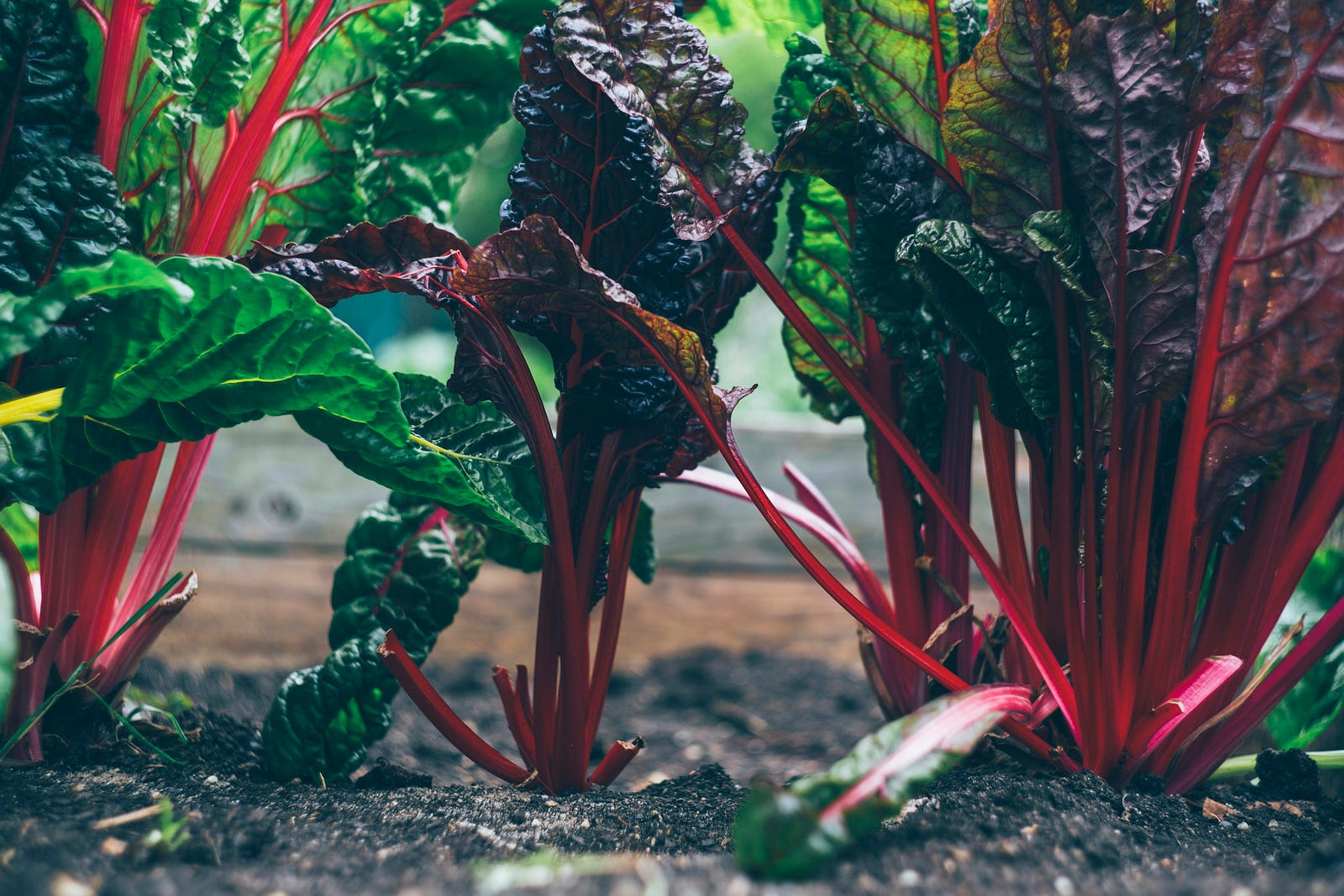
Gardening also encourages healthy eating habits. Growing fruits and vegetables at home increases access to fresh produce, leading to improved nutrition. Homegrown food is often more flavorful, and free from harmful pesticides, making it a healthier choice.

Helps the Environment

Photo by Markus Spiske on Unsplash

Moreover, gardening fosters environmental awareness. It teaches individuals about ecosystems and the importance of biodiversity. By cultivating a garden, people can contribute to local wildlife habitats and promote sustainability.

Additionally, gardening can strengthen community bonds. Community gardens bring neighbors together, fostering relationships and collaboration.

Gardening is a multifaceted activity that benefits your health, nutrition, the environment, and communities. Its importance extends far beyond the beauty of plants and flowers. Gardens make a valuable contribution to the health and well-being of individuals and our society.

For more lifestyle inspiration check my website: KathyHusserTempe.com

Categories
#kathyhusser Family Happiness Health kathyhusser work

Caring for Aging Parents

Caring for aging parents is a journey that many of us take on expectedly. As our loved ones enter the later stages of their lives our own lives change.  While it is an opportunity to give back and express our gratitude, it is not without its share of challenges. As I navigate through caregiving, I have come to realize the emotional toll it takes.  I also discovered the profound rewards that come with caring for aging parents.

Life Balance

One of the most significant challenges I encountered is balancing my life and responsibilities with the needs of my parents. The demands of work, raising a family, and managing personal affairs can sometimes clash. With the time and energy required to ensure the well-being of my parents it’s hard to think of yourself.

It often feels like a juggling act, constantly trying to find a delicate balance. The give and take of caregiving and maintaining “normalcy” in my own life is tough. It is a delicate dance of making sacrifices, setting boundaries, and seeking support. Whether that support is from other family members or external resources to share the load, every bit helps. Even the everyday joys can help you get through the day.

Emotional Challenges

Emotionally, caring for aging parents can be a rollercoaster ride. Witnessing the physical and mental decline of the ones who once cared for you can be heart-wrenching. It is a reminder of their mortality and our own vulnerability. Feelings of guilt, frustration, and helplessness may come up.

As you grapple with the reality of their changing needs and our own limitations, you get sad. Yet, in the midst of these challenging emotions, there is also an opportunity for profound growth, empathy, and connection. It is a time to cherish the precious moments, celebrate small victories, and deepen your bonds with them every day.

Healthcare Frustrations

Navigating the healthcare system and ensuring the best possible care for your parents is yet another hurdle. The maze of medical appointments, medications, and complex decisions can be overwhelming. Advocating for their needs, understanding medical jargon, and coordinating with various healthcare professionals can feel like a full-time job. It requires patience, perseverance, and the willingness to become an informed advocate for your loved ones.

However, being an active participant in their healthcare journey allows us to be their voice. You must ensure their needs are met and advocate for the quality of life they deserve.  Because no one else will.

Rewards

Witnessing the small victories, the moments of joy, and the strength and resilience of people is amazing. It is a testament to the human spirit and the power of love for family and friends. It’s very tough, but worth the rewards.

Caring for aging parents is a journey that tests our limits, challenges our emotions, and stretches our capacity for compassion. It is not an easy path. It is one filled with profound growth and moments of immeasurable grace. As I continue on this journey, I am reminded of this privilege of caring for them. It is a gift that I will cherish.

For more inspiration about families check my website: KathyHusserTempe.com

Categories
#kathyhusser career Family Happiness kathyhusser Uncategorized work

Self Care During Stressful Times

In our fast-paced world, stress has become an unavoidable part of life. Whether due to work, personal relationships, or unexpected life changes, stressful situations can often feel overwhelming. While it’s impossible to avoid stress entirely, it is essential to manage it through relaxation and self-care. Prioritizing these practices during difficult times can significantly improve your physical health, mental clarity, and emotional well-being.

The Physical Impact of Stress

Stress has a tangible effect on the body. It can lead to various health issues such as headaches, muscle tension, digestive problems, and increased susceptibility to illness. Chronic stress can also raise the risk of more serious conditions like heart disease and high blood pressure. By incorporating regular relaxation techniques, such as deep breathing exercises, meditation, or yoga, you can help to lower your stress levels and protect your physical health.

Relaxation helps to trigger the body’s parasympathetic nervous system, which is responsible for the “rest and digest” response. This system helps reduce the effects of stress by slowing down your heart rate, lowering blood pressure, and promoting a feeling of calm. Taking even a few minutes each day to focus on relaxation can make a significant difference in how your body copes with stress.

Mental Clarity and Focus

Stress also clouds your mental clarity, making it difficult to think clearly or make decisions. When your mind is overwhelmed, tasks that would normally be simple can feel insurmountable. Relaxation helps clear mental clutter, allowing you to regain focus and approach challenges with a calmer, more rational mindset.

Mindfulness techniques, such as meditation or journaling, are effective tools for regaining mental clarity. These practices encourage you to stay present and focus on the moment, helping to alleviate the constant mental chatter that accompanies stress. A more relaxed mind is also more creative and better equipped to find solutions to the problems causing stress.

Emotional Well-Being

During stressful times, it’s easy to neglect self-care in favor of pushing through responsibilities. However, prioritizing your emotional health through self-care practices is essential. Self-care is not selfish; it’s a necessary part of managing stress and maintaining overall well-being.

Activities such as spending time outdoors, engaging in hobbies, or simply resting can provide emotional nourishment. It’s important to set aside time to do things that bring you joy and comfort. By doing so, you create moments of peace that can help balance the chaos around you.

Self-care also includes setting boundaries and learning to say no when necessary. Taking on too much can exacerbate stress, while healthy boundaries allow you to manage your responsibilities more effectively. By protecting your energy, you can avoid burnout and remain more resilient in the face of stress.

Relaxation and self-care are essential for managing stress. By prioritizing these practices, you can improve your physical health, enhance mental clarity, and nurture emotional well-being. In times of stress, giving yourself permission to rest and recharge is not just helpful, but necessary for long-term health and balance.

For my healthy lifestyle tips check out: KathyHusserTempe.com