Categories
career careertips Family kathyhusser work

Relationships are Important

As we age, the significance of relationships becomes increasingly important. While youth often comes with an abundance of social interactions and casual connections, getting older tends to bring a deeper appreciation for meaningful relationships. These connections, whether with family, friends, or partners, play an essential role in maintaining emotional, mental, and even physical well-being.

Emotional Support and Resilience

One of the greatest benefits of maintaining relationships as you get older is the emotional support they provide. Life presents ongoing challenges—health issues, loss, and major life transitions can become more frequent. Having a solid network of friends or loved ones to lean on during these times provides much-needed comfort and resilience. Emotional support helps alleviate feelings of loneliness and isolation, which can significantly impact mental health. A strong support system fosters a sense of belonging and helps you navigate difficult moments with greater ease.

Mental and Cognitive Health

Relationships also contribute to mental sharpness and cognitive health. As we age, staying socially active can reduce the risk of cognitive decline. Regular interactions with friends and loved ones keep the mind engaged, offering stimulating conversations, new perspectives, and challenges. Whether it’s catching up over coffee, playing a game, or discussing a book, social engagements help maintain brain health and prevent feelings of stagnation or boredom.

 Physical Health and Longevity

There is growing evidence that strong relationships are linked to better physical health. Studies have shown that individuals with close connections tend to live longer and experience better health outcomes than those who are isolated. Companionship encourages healthier behaviors, such as exercising, eating well, and attending medical checkups. Friends and family members often provide gentle reminders to take care of ourselves, whether it’s a daily walk or a visit to the doctor.

The Value of Making New Connections

While maintaining existing relationships is crucial, making new connections as you get older is equally important. Life changes—such as retirement, moving, or the loss of loved ones—can reduce your social circle. Seeking new friendships or rekindling old ones can reinvigorate your social life. Joining clubs, engaging in community activities, or pursuing hobbies can introduce you to new people with shared interests.

As you age, relationships become one of the most important pillars of a happy, healthy life. Maintaining connections with friends and loved ones provides emotional support, improves cognitive function, and enhances overall well-being. Whether nurturing existing bonds or building new ones, staying socially connected is key to thriving in later life.

Check out more living well tips at: KathyHusserTempe.com

 

Categories
careertips Family Happiness Health kathyhusser work

Power of Organization

Organization brings clarity and peace. On the other, hand living in a cluttered space can feel overwhelming and chaotic. Disorganization often leads to stress, distraction, and decreased productivity. Research shows clutter increases cortisol, the stress hormone, especially in women. A disorganized home sends constant visual reminders of unfinished tasks. This creates mental fatigue and makes it harder to focus or relax.

A clean, decluttered space helps you think more clearly and feel more in control. Studies have shown that people with tidy homes tend to be healthier overall. They also sleep better and report lower levels of anxiety. Organization promotes better time management and smoother daily routines.

Every object in your home should have a purpose and place. When things are scattered, time is wasted looking for them. A tidy space reduces distractions and helps your brain focus on what matters. Even small organizational habits can produce big improvements in mood and energy.

Decluttering

Decluttering is not just about throwing things away, but a habit to develop. It’s about making space for what truly supports your life. Start by sorting items into categories: keep, donate, recycle, and discard. Work room by room, focusing on one area at a time. Celebrate small wins to stay motivated and consistent.

Clutter can also carry emotional weight. Items tied to guilt or nostalgia can create mental roadblocks. Letting go of unneeded things helps you emotionally detach and feel lighter. It clears mental space along with physical space. Your home becomes a sanctuary instead of a source of stress.

Living with Less

Minimalism doesn’t mean living with nothing—it means living with intention. When your space supports your values, you feel more aligned and peaceful. Organized homes also help children learn responsibility and reduce family tension. Everyone benefits from a system that’s easy to follow.

Routine maintenance is key to staying organized. Your goal should be to take 10 minutes daily to reset your space. Return items to their place and resist the urge to accumulate. Before buying something new, ask yourself if it adds real value. Mindful purchasing reduces clutter and saves money long term.

Lifestyle Shift

Decluttering isn’t a one-time project—it’s a lifestyle shift. It requires regular reflection on what you really need and use. Organized homes encourage more intentional living and healthier habits. You’re more likely to cook, exercise, or meditate in a clean, open space. It becomes easier to welcome guests without shame or stress.

A decluttered home reflects a decluttered mind. It’s easier to find joy in your environment and stay motivated. You gain time, energy, and peace from a well-ordered space. Your home should be a retreat, not a source of chaos.

Start small, stay consistent, and build momentum. Organization brings freedom, not restriction. It empowers you to live a more focused, purposeful life. Make space for the life you want to live—one room, one drawer at a time.

For more living tips check: KathyHusserTempe.com

Categories
#kathyhusser career careertips Happiness Health Library Jobs Library Leadership work

Career Education

Have an agenda and your goals will be accomplished
There is no agenda in life, just be flexible.

What I’ve learned over a 43-year career in education and public service is quite simple. And here’s my story to illustrate a few lessons from experience.

Rejection is Re-Direction

My very first interview was with Jack-in-the-Box, a fast food restaurant. I knew the Assistant Manager, a friend from high school, and thought I’d be great at the job. A job I needed to pay my way for a Student Council Conference in Nevada that summer. I didn’t get the job, despite my friend, Peter’s, recommendation. Disappointment set in, until a week later the supervisor for our public library called me for an interview!  In two weeks, I would be shelving books, in the air-conditioned comfort of my local library.  Thank you, Mary!

Keep Growing

This first high school job, turned into a promotion, raises, and life experience managing people. Working at the library, with our team and leadership during this time was the best learning experience to set me on my career path.  I earned a degree, moved across country and worked for two food companies expanding my people skills into another industry.

I learned from other people different from me. I grew in my career (with more promotions) when young women were just starting to venture out independently in their careers. For example, I was one of the first women to wear pants in my company. I didn’t know I “shouldn’t” in the early 90’s, and I started a “trend” for the female staff.

Take a Break

Taking a break from your career is also a personal decision, my family made when I had children. There was no option to work remotely, and women were still the main caretakers during those years.  This “re-direction” worked out, because when my youngest was 5, I started working again at my public library. And this is the Universe providing the opportunity I needed, at the right time in my career.

I had the best boss, since the manager that hired me left two weeks into my tenure. But, he told me, “You’re ‘good people’ Kathy, and you’ll do well even after I’ve retired.”  After 25 years, that compliment and the break he provided me was the start of something even better.

Good Habits Equal Success

Back at the library, I learned every aspect of City government and managing large and smaller teams. My growth was due to volunteering for opportunities and always helping others which strengthen my people skills. Over time these work habits, plus self-awareness, and my solid reputation enabled me to reach my ultimate goal of Director. The one thing I didn’t do, was applaud my own success. (Women tend not to “toot their own horn,” even today…. but we’re getting better!)

Over time with more rejection and redirection, I’ve discovered your career is not linear. Your career will take detours for many reasons. At times, you have no control over your path. But my innate character qualities, strong habits, and work ethic allowed me to succeed in other roles.

Roles that gave me more learning opportunities and success beyond my dreams.  I even returned to work for an organization that got me started early in my career. They knew me, my work, and my kind-heartedness. Match made in heaven!

For more career inspiration check out: KathyHusserTempe.com

Categories
careertips Family Happiness Health kathyhusser Library Leadership

Kindness Equals Wellness

In today’s fast-paced world, the concepts of wellness and kindness are often treated as luxuries, secondary to ambition or success. However, scientific research tells a different story: both wellness and kindness are essential for a fulfilling, healthy life. They are not just feel-good buzzwords. They are backed by scientific evidence showing their power to enhance mental, emotional, and even physical well-being.

Physical Connection

Wellness is generally defined as a holistic combination of physical health, mental clarity, and emotional balance. Research has revealed that practices like mindfulness, regular physical activity, and adequate sleep directly influence brain function and emotional regulation.

Mindfulness meditation has been shown to reduce the activity of the brain’s stress center. This while strengthening connections which directs your rational thinking and emotional control. A 2011 Harvard study found that just eight weeks of mindfulness training increased gray matter in areas of the brain associated with memory, empathy, and stress regulation.

Similarly, physical exercise boosts endorphin levels, natural mood lifters. —increases brain-derived neurotrophic factor (BDNF), a protein linked to improved cognitive function and reduced anxiety. Sleep, too, plays a vital role: studies show that chronic sleep deprivation impairs judgment, increases irritability, and weakens the immune system.

The Science of Kindness

Equally convincing is the research on kindness. Acts of kindness—whether helping a stranger, volunteering, or simply expressing gratitude—have profound effects on the brain and body. Engaging in kind behavior triggers the release of oxytocin, sometimes referred to as the “love hormone.” Oxytocin reduces blood pressure, strengthens social bonds, and improves overall heart health.

An Oxford research study showed that people who performed acts of kindness for seven days experienced a significant boost in happiness. Even witnessing kindness, rather than directly participating in it, can elevate mood and foster a sense of connection.

Moreover, kindness is linked to lower levels of cortisol, the body’s primary stress hormone. Lower cortisol means less inflammation, better sleep, and improved immune function. In essence, kindness not only feels good—it literally does good.

Kindness and Wellness

What makes these findings especially powerful is how wellness and kindness reinforce each other. When people take care of their own well-being, they are more likely to be empathetic, patient, and kind. Conversely, engaging in kind behavior boosts self-esteem and emotional resilience, making it easier to maintain wellness practices.

This interplay creates a positive feedback loop: wellness promotes kindness, and kindness enhances wellness. It’s a virtuous cycle that benefits not only individuals but communities as well. Schools that use social-emotional learning programs, which emphasize empathy and mindfulness, report reduced bullying and better academic outcomes. Workplaces that encourage employee well-being and compassion see higher job satisfaction and lower turnover.

The message from science is clear: wellness and kindness are deeply connected and mutually reinforcing. They are not fringe ideals but essential elements of a healthy, thriving life. By taking small steps—meditating, exercising, sleeping well, or showing compassion—we harness the power of both wellness and kindness. These can transform not only ourselves but the world around us.

For more living well tips check out: KathyHusserTempe.com

Categories
#kathyhusser career careertips Family Happiness Health kathyhusser work

Relationships

As we age, the significance of relationships becomes increasingly apparent. While youth often comes with an abundance of social interactions and casual connections, getting older tends to bring a deeper appreciation for meaningful relationships.

These connections, whether with family, friends, or partners, play an essential role in maintaining emotional, mental, and even physical well-being.

Emotional Support and Resilience

One of the greatest benefits of maintaining relationships as you get older is the emotional support they provide. Life presents ongoing challenges—health issues, loss, and major life transitions can become more frequent.

Having a solid network of friends or loved ones to lean on during these times provides much-needed comfort and resilience. Emotional support helps alleviate feelings of loneliness and isolation, which can significantly impact mental health. A strong support system fosters a sense of belonging and helps you navigate difficult moments with greater ease.

Mental and Cognitive Health

Relationships also contribute to mental sharpness and cognitive health. As we age, staying socially active can reduce the risk of cognitive decline. Regular interactions with friends and loved ones keep the mind engaged, offering stimulating conversations, new perspectives, and challenges.

Whether it’s catching up over coffee, playing a game, or discussing a book, social engagements help maintain brain health and prevent feelings of stagnation or boredom.

 Physical Health and Longevity

There is growing evidence that strong relationships are linked to better physical health. Studies have shown that individuals with close connections tend to live longer and experience better health outcomes than those who are isolated. Companionship encourages healthier behaviors, such as exercising, eating well, and attending medical checkups.

Friends and family members often provide gentle reminders to take care of ourselves, whether it’s a daily walk or a visit to the doctor.

The Value of Making New Connections

While maintaining existing relationships is crucial, making new connections as you get older is equally important. Life changes—such as retirement, moving, or the loss of loved ones—can reduce your social circle. Seeking new friendships or rekindling old ones can reinvigorate your social life. Joining clubs, engaging in community activities, or pursuing hobbies can introduce you to new people with shared interests.

As you age, relationships become one of the most important pillars of a happy, healthy life. Maintaining connections with friends and loved ones provides emotional support, improves cognitive function, and enhances overall well-being.

Whether nurturing existing bonds or building new ones, staying socially connected is key to thriving in later life.

Check out more living well tips

KathyHusserTempe.com


Categories
#kathyhusser career careertips Happiness Health kathyhusser Librarian & Entrepreneurship Library Jobs Library Leadership work

Growth Mindset

Learning from mistakes and adopting a growth mindset are important for achieving success in both personal and professional goals. Embracing these principles not only increases resilience but also fosters continuous improvement and development.

A growth mindset, a concept popularized by psychologist Carol Dweck, is the belief that abilities and intelligence can be developed through effort and learning. Individuals with a growth mindset view challenges as opportunities to grow rather than obstacles. This perspective encourages them to take risks and embrace new experiences, knowing that mistakes are part of the learning process.

Mistakes, while often viewed negatively, are valuable learning opportunities. When individuals make errors, they gain insights that can lead to better decision-making in the future. Instead of dwelling on failures, those with a growth mindset analyze what went wrong and why. This reflective process encourages a deeper understanding of their strengths and weaknesses. This allows them to adjust their strategies and methods moving forward.

Furthermore, learning from mistakes promotes resilience. Instead of feeling defeated by setbacks, individuals can cultivate a sense of perseverance. Each mistake can be reframed as a stepping stone toward success. This resilience is essential in a world where challenges and failures are unavoidable. By developing the ability to bounce back, individuals can maintain motivation and continue working toward their goals.

A growth mindset also encourages a love of learning. Individuals become curious and open to feedback, seeking out opportunities for growth and improvement. This eagerness to learn can lead to the development of new skills and a deeper understanding of one’s field. As individuals continue to expand their knowledge and abilities, they position themselves for greater success.

In addition, cultivating a growth mindset promotes collaboration and support among peers. When individuals are open about their mistakes and willing to learn from each other, it creates an environment of trust and innovation. Team members are more likely to share ideas and take risks, leading to collective growth and success.

Learning from mistakes and embracing a growth mindset are vital for achieving success. By viewing challenges as opportunities for growth, individuals can develop resilience, foster a love of learning, and enhance collaboration. This approach not only leads to personal development but also contributes to a more innovative and dynamic environment. This sets the stage for lasting success in your career and personal life.

For more check out: KathyHusserTempe.com

Categories
careertips kathyhusser Librarian & Entrepreneurship library books Library Jobs Library Leadership work

What I Learned

What I’ve learned over a 43-year career in education and public service is quite simple. And here’s my story to illustrate a few lessons from experience.

Rejection is Re-Direction

My very first interview was with Jack-in-the-Box, a fast food restaurant. I knew the Assistant Manager, a friend from high school, and thought I’d be great at the job. A job I needed to pay my way for a Student Council Conference in Nevada that summer. I didn’t get the job, despite my friend, Peter’s, recommendation.

Disappointment set in, until a week later the supervisor for our public library called me for an interview!  In two weeks, I would be shelving books, in the air-conditioned comfort of my local library.  Thank you, Mary!

Keep Growing

This first high school job, turned into a promotion, raises, and life experience managing people. Working at the library, with our team and leadership during this time was the best learning experience to set me on my career path.  I earned a degree, moved across country and worked for two food companies expanding my people skills into another industry.

I learned from other people different from me. I grew in my career (with more promotions) when young women were just starting to venture out independently in their careers. For example, I was one of the first women to wear pants in my company. I didn’t know I “shouldn’t” in the early 90’s, and I started a “trend” for the female staff.

Take a Break

Taking a break from your career is also a personal decision, my family made when I had children. There was no option to work remotely, and women were still the main caretakers during those years.

This “re-direction” worked out, because when my youngest was 5, I started working again at my public library. And this is the Universe providing the opportunity I needed, at the right time in my career.

I had the best boss, since the manager that hired me left two weeks into my tenure. But, he told me, “You’re ‘good people’ Kathy, and you’ll do well even after I’ve retired.”  After 25 years, that compliment and the break he provided me was the start of something even better.

Good Habits Equal Success

Back at the library, I learned every aspect of City government and managing large and smaller teams. My growth was due to volunteering for opportunities and always helping others which strengthen my people skills. Over time these work habits, plus self-awareness, and my solid reputation enabled me to reach my ultimate goal of Director.

The one thing I didn’t do, was applaud my own success. (Women tend not to “toot their own horn,” even today…. but we’re getting better!)

Over time with more rejection and redirection, I’ve discovered your career is not linear. Your career will take detours for many reasons. At times, you have no control over your path. But my innate character qualities, strong habits, and work ethic allowed me to succeed in other roles.

Roles that gave me more learning opportunities and success beyond my dreams.  I even returned to work for an organization that got me started early in my career. They knew me, my work, and my kind-heartedness. Match made in heaven!

For more career inspiration check out: KathyHusserTempe.com

Categories
#kathyhusser careertips Happiness Health kathyhusser Librarian & Entrepreneurship Library Jobs Library Leadership work

Continuing Education

Leadership written in blue and hand writing the word visible.Continuing education is crucial for professionals at any stage of their careers, even after achieving a stable position. In today’s rapidly evolving job market, staying current with industry trends and advancements is essential. Ongoing learning helps you adapt to changes in technology, regulations, and best practices. This ensuring you are relevant and competitive in your role.
Skills

One of the primary benefits of continuing education is skill enhancement. As industries evolve, new skills become necessary. By pursuing further education, professionals acquire new skills. This allows you to take on new responsibilities and improve job performance. A proactive approach can lead to career advancement, promotions, and increased job satisfaction.

Personal Growth

Continuing education fosters personal growth. Engaging in new learning experiences encourages critical thinking and creativity. It opens up opportunities to explore diverse perspectives and innovative solutions to challenges in the workplace. This not only enhances individual capabilities but also contributes to a more dynamic and productive work environment.

Networking

Networking opportunities also abound with continuing education. Workshops, seminars, and courses provide platforms for professionals to connect with peers and industry leaders. These connections can lead toward collaborations, mentorships, and other job opportunities. These will further enhance your career prospects down the road.

Lifelong Learning

Additionally, pursuing continuing education demonstrates a commitment to lifelong learning. Employers value individuals who actively seek knowledge and self-improvement. This dedication can set you apart from peers, showcasing your motivation and ambition.

Education is vital for career growth and personal development. It enables professionals to adapt to changes, acquire new skills, foster creativity, and build valuable networks. Embracing lifelong learning not only enhances individual careers but also contributes to a more knowledgeable and skilled workforce. Prioritizing ongoing education is essential for sustained success in any profession.

For more career articles check out KathyHusserTempe.com

Categories
#kathyhusser career careertips Family Happiness Health kathyhusser Librarian & Entrepreneurship Travel

Relocating Out of State

Relocating to another state can be an exciting yet challenging experience. The key to a successful move lies in careful planning and execution. Here are some essential steps to ensure a smooth interstate move.  From contacting movers to negotiating contracts, these tips will help you with the transition.

Research and Contact Reliable Movers

The first step is start researching moving companies as early as possible. Look for movers that specialize in interstate moves, as they’ll be more familiar with the logistics and regulations involved. Utilize online reviews, ask for recommendations from friends or family. Finally, be sure to verify the company’s credentials through the Federal Motor Carrier Safety Administration (FMCSA). Ensure the company is licensed, insured, and has a U.S. Department of Transportation (USDOT) number.

Once you’ve shortlisted a few companies, request in-home or virtual estimates. This will provide a more accurate quote based on the volume of items to be moved. Beware of companies that offer lowball estimates, as they might add hidden charges later.

Negotiate and Finalize the Contract

Before signing a contract, thoroughly review all the details. The contract should outline the total cost, services included, & delivery timeline. Most importantly, any additional fees such as packing materials or handling specialty items needs to be detailed in the contract.

Don’t hesitate to negotiate the price. Ask if there are any discounts available, such as for flexible moving dates, military service, or AAA membership.  Prices will go up, but won’t ever go down, so negotiate ahead of the move.

Pay close attention to the type of estimate provided—whether it’s binding, non-binding, or binding-not-to-exceed. A binding estimate guarantees the final cost won’t exceed the quoted amount, which can provide peace of mind.

Additionally, ask about the company’s claims process in case of damage or loss during the move. Understanding this beforehand will save you time and frustration if issues arise. Read the fine print and be prepared just in case something unexpected happens during the trip.

Plan for a Smooth Moving Day

In the weeks leading up to the move, create a detailed moving checklist. This should include tasks such as updating your address with the post office, transferring utilities, and securing important documents. Declutter your home by selling, donating, or discarding items you no longer need. This can also reduce your moving costs quite a bit.

On moving day, have a bag packed with essentials like toiletries, medications, important documents, and a change of clothes. This ensures you have everything you need during transit, while waiting for your belongings to arrive at your new home.

Stay Organized and Communicate

Maintain clear communication with your movers. Confirm details like the arrival time, delivery window, and any special instructions for your belongings. Keep a copy of the contract and inventory list handy in case of discrepancies.

Finally, just being patient and positive with the moving company will help your stress level. Unexpected events can happen out of the ordinary, like weather or traffic which affect the movers’ timeline.

Moving to another state is a significant life event, but with proper preparation, it can be a stress-free experience. By researching, creating a detailed plan, and staying organized, you can ensure your move goes smoothly. This will allow you to focus on settling into your new home.

Categories
#kathyhusser career careertips Happiness kathyhusser Librarian & Entrepreneurship Library Jobs Library Leadership work

Library Interview

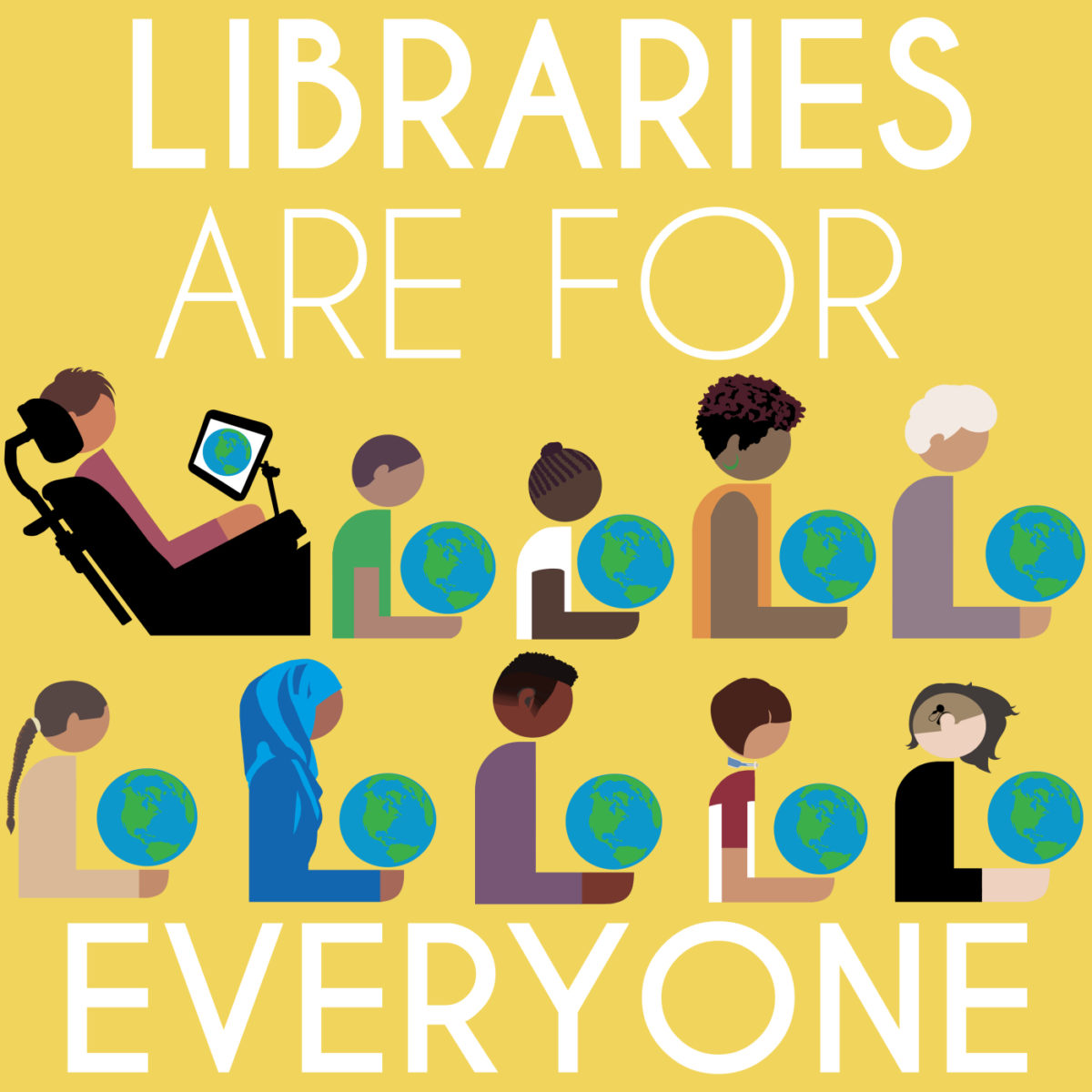
Graphic with the words Libraries are for Everyone

When interviewing for a library job, asking insightful questions can demonstrate your interest in the role and help you gain a better understanding of the organization’s culture, expectations, and opportunities for growth. Here are three key questions to consider asking during your library job interview:

  1. What initiatives is the library currently undertaking to engage the community and promote literacy?

Libraries play a vital role in fostering community engagement and promoting literacy. By asking about the library’s current initiatives in these areas, you can gain insight into its commitment to serving the community. You can also determine their overriding educational and political goals. Pay attention to the interviewer’s response—are they enthusiastic about the library’s outreach efforts, or do they seem uncertain? Their answer can provide valuable information about the library’s priorities. It also signals how you can contribute to its mission (or not.)

  1. How does the library support professional development and continuing education for its staff?

Professional development is essential for staying current in the library field and advancing your career. By asking about opportunities for professional development and continuing education, you can demonstrate your commitment to growth and learning.

Listen for information about training programs, conferences, workshops, and other resources available to staff. Additionally, ask about mentorship opportunities and career advancement paths within the library. Understanding how the library supports staff development can help you assess whether it aligns with your own career goals and aspirations.

  1. What is the library’s approach to incorporating technology and digital resources into its services?

In today’s digital age, libraries are increasingly embracing technology and digital resources to enhance their services and meet the needs of patrons. By asking about the library’s approach to technology, you can gain insight into its readiness to adapt to changing trends and innovations in the field. You also will be able to detect funding issues that might arise. Budgets have always been an issue in every library I’ve every worked in.

Pay attention to how the interviewer discusses the library’s use of technology—are they proactive about integrating digital resources, or do they seem hesitant? Their answer can provide valuable information about the library’s vision for the future and how you can contribute to its technological initiatives.

Asking thoughtful questions during your library job interview can help you gain valuable insight into the organization’s culture, opportunities for professional development, and approach to technology. By demonstrating your interest and engagement, you can leave a positive impression on your interviewer.  You can also make an informed decision about whether the library is the right fit for you too.