Categories
#kathyhusser Family Gardening Happiness Health kathyhusser

Gardening

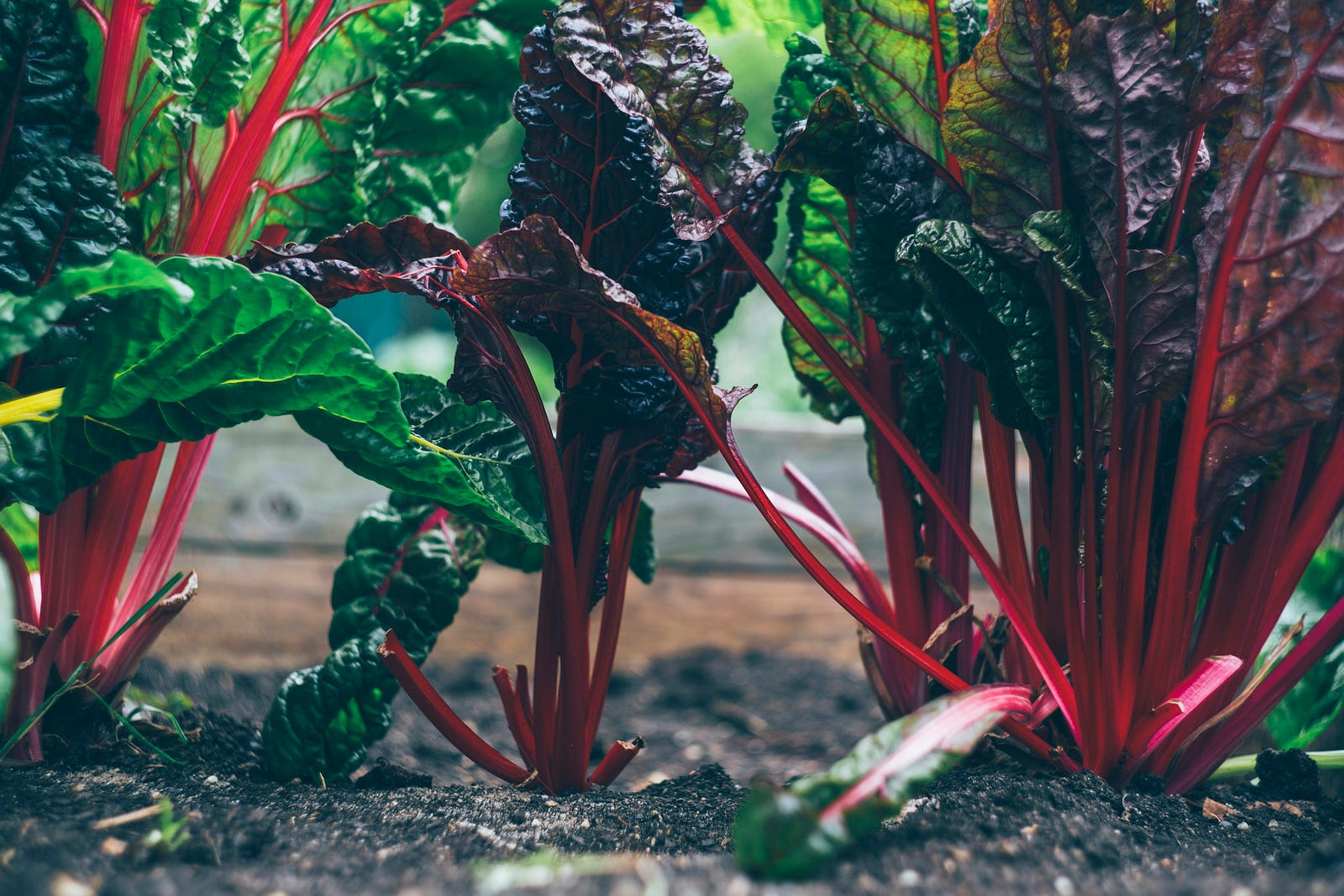
Here’s a quick guide to help your garden in hotter climates, like mine in Arizona. Being outdoors not helps your mental health but also your physical wellbeing.

Choosing the Right Plants

  • In extreme climates, not all plants can handle the heat.
  • Choose drought-tolerant species like lavender, sage, or agave.
  • Native plants are naturally suited to local heat and soil.
  • They often need less water and care over time.
  • Check local garden centers for heat-hardy plant options.
  • Group plants with similar water needs for efficiency.
  • Avoid water-thirsty flowers unless you can meet their needs.
  • Cacti and succulents thrive in dry, sunny conditions.
  • Use shade-loving varieties only in protected or shady spots.
  • The right plant choices are the foundation for success.

Soil and Watering Strategies

  • Healthy soil helps plants survive tough heat.
  • Mix compost into the soil to retain moisture.
  • Mulch the surface with straw, bark, or gravel.
  • Mulch also cools roots and prevents water loss.
  • Water early in the morning or after sunset.
  • Avoid mid-day watering—it evaporates too quickly.
  • Deep watering encourages stronger, deeper root systems.
  • Use drip irrigation to conserve water and minimize waste.
  • Collect rainwater if legal in your area.
  • Monitor soil moisture regularly to prevent stress.

Shade and Maintenance Tips

  • Use shade cloths or garden canopies in intense heat.
  • Temporary shade helps protect new or fragile plants.
  • Plant trees or tall shrubs to create natural shade.
  • Position garden beds to avoid the harshest afternoon sun.
  • Keep weeds under control—they steal moisture and nutrients.
  • Prune regularly to improve airflow and plant health.
  • Watch for heat-stressed plants—wilting, browning, or stunted growth.
  • Move potted plants indoors during heatwaves when possible.
  • Choose light-colored pots to reflect sunlight, not absorb it.
  • Gardening in heat takes planning, but it’s absolutely doable.

Gardening in hotter, harsher climates is challenging—but manageable.

Choose resilient plants, improve your soil, and manage sunlight.

With thoughtful care, even the hottest garden can flourish and be beautiful.

Check out my website for more ideas: KathyHusserTempe.com

Categories
#kathyhusser career Family Happiness Health kathyhusser Librarian & Entrepreneurship Library Leadership work

Mindset Matters

Mindset Matters

Having a positive mindset matters and is essential, especially in the face of challenges and uncertainties these days. A positive mindset can significantly impact overall well-being, resilience, and interpersonal relationships. Despite the inevitable ups and downs of life, maintaining a hopeful perspective can lead to a more fulfilling and joyful existence.

Mental Health

A positive attitude enhances mental health. It allows individuals to cope better with stress, anxiety, and depression. When faced with adversity, those with an optimistic outlook are more likely to see challenges as opportunities for growth rather than impossible obstacles. This shift in perception can reduce the impact of negative emotions and promote emotional stability.

Resilience

Moreover, a positive outlook fosters resilience. Resilience is the ability to bounce back from setbacks and adapt to difficult situations. Individuals with a positive attitude are more likely to approach challenges with a solution-oriented mindset. They are inclined to seek support, learn from their experiences, and move forward with determination. This resilience not only aids in overcoming personal difficulties but also encourages others to adopt a similar approach. Positivity is contagious!

Physical Health

Having a positive attitude also enhances physical health. Research suggests that optimistic individuals experience lower levels of stress and inflammation, leading to better overall health. They are more likely to engage in healthy behaviors, such as regular exercise and balanced nutrition. This proactive approach to health can result in increased longevity and a higher quality of life.

Relationships and Beyond

Furthermore, a positive attitude can improve relationships. Individuals who maintain a positive outlook tend to be more supportive and encouraging to those around them. Their enthusiasm and positivity can be contagious, creating a more uplifting environment. Stronger relationships contribute to a robust support system during challenging times, further reinforcing resilience.

In addition, a positive outlook can lead to greater success in various aspects of life, including career and personal goals. Optimistic individuals are often more motivated and willing to take risks, which can lead to new opportunities. They tend to approach tasks with enthusiasm, enhancing creativity and productivity.

Maintaining a positive attitude and good outlook on life is vital for mental and physical well-being. Embracing optimism fosters resilience, improves health, enhances relationships, and promotes personal success. By focusing on the bright side, you can navigate life’s ups and downs with grace and strength. This ultimately will lead to a more fulfilling and enriching life.

Check out my website for more inspiration: KathyHusserTempe.com

Categories
#kathyhusser career Family Happiness Health holidays kathyhusser Librarian & Entrepreneurship

New Year Reflections

New Year

The new year, 2026 is right around the corner.  This is a time I take to reflect on the last 12 months. Here are some topics to consider while you take stock of the new year ahead.

Personal Growth

Reflecting on my growth throughout the last year is important. What career goals did I have for 2025, and did they become reality? Think about any obstacles you overcame to achieve certain targets in your life, like travel, volunteering, or mentoring at work.   Also consider any new purpose you might have needed to pivot too last year for family, friends, or yourself.  How is that progressing or holding you back for 2026?

Physical Health

None of us are getting younger each year. Think about your physical health.  Can you still run that marathon or walk that flight of stairs easily?  Take stock of your limits, if any.  What will you need to do in 2026 to maintain or improve your health?

Maybe a gym membership is in your future. Or will a regular walking date with a friend do the trick to get you back on track this year.  Eating whole and “one-ingredient” foods will always help regulate your physical wellbeing and improve your health stats.

Comfort Zones

Finally, what is your current comfort zone and is that what you want? Determine if you need to shake things up in 2026 and push outside your self-imposed limits. What do you really want out of 2026?  Start a business?  Move across the country or to another country?

What is a dream you have been putting off until the timing was “right?” Make that dream come true is year with a plan, hard work, and consistency.

There is no right time to start something new, but you’ll regret never starting this time next year. Wishing you and yours a very Happy New Year filled with joy and dreams that fill your soul.

For more inspiration check out my website: KathyHusserTempe.com

Categories
#kathyhusser Family Happiness holidays kathyhusser

Holiday Traditions

Photo by Soroush Karimi on Unsplash

As we approach the holidays, old and new traditions are bound to come up during your planning. Depending upon your family and friends, traditions seem to change as you expand your circle.

New Family

Photo by Nathan Dumlao on Unsplash

A new daughter in law this year gave us the opportunity to host Thanksgiving early. She enjoyed time with both families. The entire family was able to come together to celebrate on both sides and enjoy turkey twice! I feel this new tradition will stick. It was convenient, everyone provided a dish, and we were all happy!

Next year we will have a new baby to welcome to the family…YAY! So, the Christmas traditions will definitely change a bit too. I can’t wait to buy toys and make gingerbread houses again. Plus, children during the holidays is such a fun way to celebrate and create memories together.

Times Change

Photo by Melisa Nadin Kumas on Unsplash

As travel becomes easier between destinations and families relocate, the changing times create new traditions. Will we celebrate at my son’s home? Will Grandma be hosting this year? What about the new in-laws and their traditions? Many questions need to be navigated to help ease into a new family dynamic.

You should uphold traditions that are working and make new ones to meet your needs. Think about new family members, friends, and elderly parents that are not mobile. Consider altering times and holiday activities so everyone can enjoy their time together.

Be Flexible

Flexibility is easier said than done sometimes. Children and older adults usually have strict schedules. But, adapting to others’ needs is temporary during this time of year. For a couple of months, relax bedtimes, meals, and enjoy the season.

Have an extra cookie or cup of cocoa when enjoying the crisp winter season. This is the time of year for family and friends to come together and make your traditions a lasting memory.

For more family inspiration check out: KathyHusserTempe.com

Categories
careertips Family Happiness Health kathyhusser work

Power of Organization

Organization brings clarity and peace. On the other, hand living in a cluttered space can feel overwhelming and chaotic. Disorganization often leads to stress, distraction, and decreased productivity. Research shows clutter increases cortisol, the stress hormone, especially in women. A disorganized home sends constant visual reminders of unfinished tasks. This creates mental fatigue and makes it harder to focus or relax.

A clean, decluttered space helps you think more clearly and feel more in control. Studies have shown that people with tidy homes tend to be healthier overall. They also sleep better and report lower levels of anxiety. Organization promotes better time management and smoother daily routines.

Every object in your home should have a purpose and place. When things are scattered, time is wasted looking for them. A tidy space reduces distractions and helps your brain focus on what matters. Even small organizational habits can produce big improvements in mood and energy.

Decluttering

Decluttering is not just about throwing things away, but a habit to develop. It’s about making space for what truly supports your life. Start by sorting items into categories: keep, donate, recycle, and discard. Work room by room, focusing on one area at a time. Celebrate small wins to stay motivated and consistent.

Clutter can also carry emotional weight. Items tied to guilt or nostalgia can create mental roadblocks. Letting go of unneeded things helps you emotionally detach and feel lighter. It clears mental space along with physical space. Your home becomes a sanctuary instead of a source of stress.

Living with Less

Minimalism doesn’t mean living with nothing—it means living with intention. When your space supports your values, you feel more aligned and peaceful. Organized homes also help children learn responsibility and reduce family tension. Everyone benefits from a system that’s easy to follow.

Routine maintenance is key to staying organized. Your goal should be to take 10 minutes daily to reset your space. Return items to their place and resist the urge to accumulate. Before buying something new, ask yourself if it adds real value. Mindful purchasing reduces clutter and saves money long term.

Lifestyle Shift

Decluttering isn’t a one-time project—it’s a lifestyle shift. It requires regular reflection on what you really need and use. Organized homes encourage more intentional living and healthier habits. You’re more likely to cook, exercise, or meditate in a clean, open space. It becomes easier to welcome guests without shame or stress.

A decluttered home reflects a decluttered mind. It’s easier to find joy in your environment and stay motivated. You gain time, energy, and peace from a well-ordered space. Your home should be a retreat, not a source of chaos.

Start small, stay consistent, and build momentum. Organization brings freedom, not restriction. It empowers you to live a more focused, purposeful life. Make space for the life you want to live—one room, one drawer at a time.

For more living tips check: KathyHusserTempe.com

Categories
#kathyhusser career careertips Happiness Health Library Jobs Library Leadership work

Career Education

Have an agenda and your goals will be accomplished
There is no agenda in life, just be flexible.

What I’ve learned over a 43-year career in education and public service is quite simple. And here’s my story to illustrate a few lessons from experience.

Rejection is Re-Direction

My very first interview was with Jack-in-the-Box, a fast food restaurant. I knew the Assistant Manager, a friend from high school, and thought I’d be great at the job. A job I needed to pay my way for a Student Council Conference in Nevada that summer. I didn’t get the job, despite my friend, Peter’s, recommendation. Disappointment set in, until a week later the supervisor for our public library called me for an interview!  In two weeks, I would be shelving books, in the air-conditioned comfort of my local library.  Thank you, Mary!

Keep Growing

This first high school job, turned into a promotion, raises, and life experience managing people. Working at the library, with our team and leadership during this time was the best learning experience to set me on my career path.  I earned a degree, moved across country and worked for two food companies expanding my people skills into another industry.

I learned from other people different from me. I grew in my career (with more promotions) when young women were just starting to venture out independently in their careers. For example, I was one of the first women to wear pants in my company. I didn’t know I “shouldn’t” in the early 90’s, and I started a “trend” for the female staff.

Take a Break

Taking a break from your career is also a personal decision, my family made when I had children. There was no option to work remotely, and women were still the main caretakers during those years.  This “re-direction” worked out, because when my youngest was 5, I started working again at my public library. And this is the Universe providing the opportunity I needed, at the right time in my career.

I had the best boss, since the manager that hired me left two weeks into my tenure. But, he told me, “You’re ‘good people’ Kathy, and you’ll do well even after I’ve retired.”  After 25 years, that compliment and the break he provided me was the start of something even better.

Good Habits Equal Success

Back at the library, I learned every aspect of City government and managing large and smaller teams. My growth was due to volunteering for opportunities and always helping others which strengthen my people skills. Over time these work habits, plus self-awareness, and my solid reputation enabled me to reach my ultimate goal of Director. The one thing I didn’t do, was applaud my own success. (Women tend not to “toot their own horn,” even today…. but we’re getting better!)

Over time with more rejection and redirection, I’ve discovered your career is not linear. Your career will take detours for many reasons. At times, you have no control over your path. But my innate character qualities, strong habits, and work ethic allowed me to succeed in other roles.

Roles that gave me more learning opportunities and success beyond my dreams.  I even returned to work for an organization that got me started early in my career. They knew me, my work, and my kind-heartedness. Match made in heaven!

For more career inspiration check out: KathyHusserTempe.com

Categories
#kathyhusser Family Happiness Health

Healthy Cooking

Healthy Home Cooking

As we age, we need to be more aware of the foods we put into our bodies. These simple tips will help you cook at home, be more healthy, and save time.

Here’s a simple list to help for a longer, better life:

  1. Control Your Ingredients
    Home cooking lets you manage salt, sugar, and fat.
  2. Add More Veggies
    Fresh produce boosts nutrients and overall wellness.
  3. Avoid Processed Foods
    Cooked meals cut harmful additives and preservatives.
  4. Support Heart and Brain Health
    Balanced meals improve long-term body and mind function.
  5. Lower Disease Risk
    Reduce obesity, diabetes, and high blood pressure naturally.

Stronger Habits

  1. Strengthen Family Bonds
    Sharing meals brings emotional connection and joy.
  2. Build Lifelong Habits
    Regular cooking encourages healthy, lasting routines.
  3. Live Longer
    Studies link frequent home cooking to longevity.
  4. Boost Immunity
    Whole foods help your body fight illness.

Be Mindful

  1. Save Money
    Meal planning and home prep lower grocery bills.
  2. Waste Less
    Cooking at home means smarter, cleaner food use.
  3. Practice Mindful Eating
    Focused meals support better digestion and satisfaction.
  4. Relieve Stress
    Cooking offers creative, calming benefits.
  5. Teach Healthy Habits
    Kids who cook eat better as adults.
  6. Enjoy Simple, Tasty Meals
    Home food can be quick, fun, and nourishing.
  7. Create Routine and Rhythm
    Meal time brings structure to busy days.
  8. Boost Energy Naturally
    Nutrient-rich food fuels your body better.
  9. Try New Things
    Explore flavors, cultures, and skills in your kitchen.
  10. Feel More Balanced
    Cooking brings intention and presence to everyday life.
  11. Start Small, Stay Consistent
    Healthy home meals lead to a longer, richer life.

For health-related tips check out KathyHusserTempe.com

Categories
#kathyhusser Family Happiness Health kathyhusser

Older People

Here are some thoughtful and practical tips to help you engage more meaningfully with older people, whether they’re family members or part of your community:

  1. Be Present and Patient
  • Slow down and give your full attention.
  • Let conversations unfold naturally—don’t rush or interrupt.
  • Many older adults appreciate the chance to share stories without feeling hurried.
  1. Ask About Their Life Experiences
  • Invite them to tell stories about their childhood, career, or past adventures.
  • Ask open-ended questions like, “What was your favorite memory growing up?” or “What was life like when you were my age?”
  • These stories often reveal valuable life lessons and create deep emotional bonds.
  1. Share Your Life, Too
  • Talk about your own life, even the small things.
  • Older adults often enjoy hearing about current trends, technology, or what’s going on in your world.
  • Sharing creates mutual interest and keeps the connection two-sided.
  1. Participate in Activities Together
  • Cook a meal, take a walk, do a puzzle, or look through old photos.
  • Simple shared activities foster connection and give space for natural conversation.
  • Choose things that match their energy level and interests.
  1. Show Respect for Their Wisdom
  • Acknowledge their experiences and knowledge, even when you don’t agree.
  • Avoid dismissing their views as “outdated.” Instead, listen and ask why they feel the way they do.
  • This builds trust and honors their role as a valued part of your life
  1. Use Technology to Stay in Touch
  • If you’re far away, teach them how to use video calls or messaging apps.
  • Send pictures, updates, or even voice notes to keep them involved in your life.
  • A little effort goes a long way in reducing feelings of isolation
  1. Be Consistent
  • Regular check-ins, whether weekly calls or occasional visits, show you care.
  • Consistency builds a lasting relationship and helps older adults feel seen and valued.
  1. Involve Them in Family or Community Events
  • Invite them to birthday parties, holiday gatherings, or school events.
  • Their presence enriches the experience for everyone and strengthens family or community bonds.

Meaningful connection with older adults isn’t complicated—it just takes time, attention, and a little intention.

Categories
Uncategorized

Read Fiction

Fiction Is Good for Your Health

In a fast-paced world filled with stress, screens, and constant stimulation, reading fiction offers a powerful escape—and much more. Beyond entertainment, fiction has been shown to benefit mental, emotional, and even physical health in lasting ways. Picking up a novel might be one of the simplest, most enjoyable steps you can take for your well-being.

Reduces Stress and Promotes Relaxation

Reading fiction can quickly calm the mind. Studies show that reading for just six minutes can reduce stress levels by up to 60%, even more than listening to music or taking a walk. Immersing yourself in a story slows your breathing, lowers heart rate, and quiets anxious thoughts. The act of focusing on a narrative provides a break from daily worries and overthinking.

Strengthens Empathy

When you read fiction, especially character-driven stories, you step into someone else’s shoes. You experience their thoughts, struggles, and growth. This practice strengthens empathy and helps you understand others’ emotions and perspectives. Research has found that people who read literary fiction regularly score higher on tests measuring emotional intelligence and social awareness. These skills are essential for healthy relationships and emotional resilience.

Boosts Brain Function and Creativity

Fiction engages multiple parts of the brain—language processing, memory, imagination, and problem-solving. It also helps improve vocabulary, comprehension, and concentration. The mental imagery involved in following a plot or imagining a fictional world stimulates creativity. Unlike passive forms of entertainment, reading requires active mental participation, which helps keep the brain sharp and engaged over time.

Supports Mental Health

Fiction often explores universal human themes like love, loss, growth, and resilience. Reading about characters who face and overcome challenges can be comforting and inspiring, especially during tough times. Many people find that certain stories help them process their own emotions or see their experiences in a new light. Fiction can offer validation, hope, and a deeper understanding of the human condition.

Encourages Mindful Escape

Finally, reading fiction offers a healthy way to unplug. Unlike social media or television, reading requires your full attention, helping you stay present in the moment. This mindful escape can reduce burnout and provide much-needed balance in your daily routine.

Reading fiction is more than a hobby—it’s a wellness tool. From stress relief to emotional growth, a good book has the power to nourish your mind and spirit. So next time you need a break, pick up a novel—you’re doing your health a favor.

These stories provide comfort, warmth, and a gentle reminder of human kindness.

  1. The Guernsey Literary and Potato Peel Pie Society by Mary Ann Shaffer & Annie Barrows
  2. Eleanor Oliphant Is Completely Fine by Gail Honeyman
  3. A Man Called Ove by Fredrik Backman
  4. The House in the Cerulean Sea by TJ Klune
  5. The Little Paris Bookshop by Nina George

Read more at KathyHusserTempe.com

Categories
#kathyhusser Family Happiness Health kathyhusser

Gardening

Gardening plays a vital role in promoting physical and mental well-being. Engaging in gardening activitiesprovides numerous health benefits, such as improved fitness and reduced stress. Digging, planting, and weeding are excellent forms of exercise, enhancing strength, flexibility, and endurance.

Mental Health

Beyond physical benefits, gardening can significantly improve mental health. Spending time outdoors in nature has been shown to reduce anxiety and depression. The act of nurturing plants fosters a sense of accomplishment and purpose, enhancing overall emotional well-being.

Healthy Eating

Photo by Chad Stembridge on Unsplash

Gardening also encourages healthy eating habits. Growing fruits and vegetables at home increases access to fresh produce, leading to improved nutrition. Homegrown food is often more flavorful, and free from harmful pesticides, making it a healthier choice.

Helps the Environment

Photo by Markus Spiske on Unsplash

Moreover, gardening fosters environmental awareness. It teaches individuals about ecosystems and the importance of biodiversity. By cultivating a garden, people can contribute to local wildlife habitats and promote sustainability.

Additionally, gardening can strengthen community bonds. Community gardens bring neighbors together, fostering relationships and collaboration.

Gardening is a multifaceted activity that benefits your health, nutrition, the environment, and communities. Its importance extends far beyond the beauty of plants and flowers. Gardens make a valuable contribution to the health and well-being of individuals and our society.

For more lifestyle inspiration check my website: KathyHusserTempe.com